
BIO
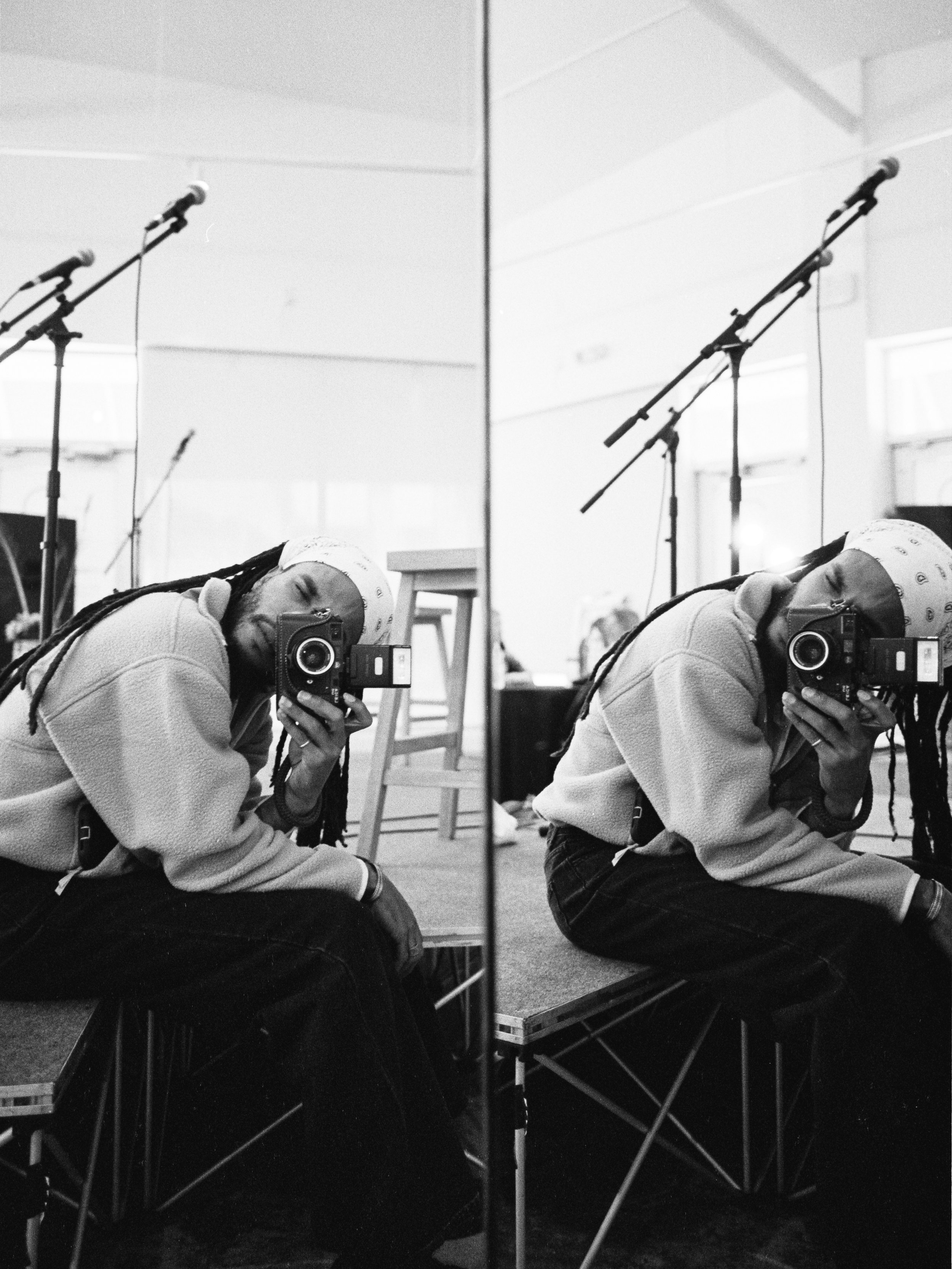
(Born 1994, St. Lucia, W.I.) Chance Nkosi Gomez is a Miami-based photographer, filmmaker, writer, and practitioner of an integral yogic path. Working across documentary photography, portraiture, moving image, and written storytelling, he uses the camera to explore presence, ancestry, identity, ceremony, and the relationships that connect people to one another and the land.
Nkosi’s introduction to photography began during his sophomore year of high school under the guidance of educator Dr. Devin Marsh at Robert Morgan Educational Center. There, he developed an early fascination with light and the mechanics of the camera. This foundation grew into a deeper artistic inquiry while studying Photographic Technology at Miami Dade College under photographer and educator Tony A. Chirinos. Chirinos encouraged him to move beyond the pursuit of individual images and begin creating cohesive bodies of work shaped by clear ideas, careful editing, and thoughtful sequencing.
His spiritual practice has developed alongside his photography. Initiated by Swami Jyotirmayananda as Sri Govinda, Nkosi later completed a 300-hour yoga teacher training and spent six weeks studying Himalayan Kriya in Rishikesh, India. These experiences strengthened his understanding of photography as a form of moving meditation. The camera became a way of entering the present moment, listening closely, and meeting life without imposing upon it.
For Nkosi, the viewfinder is more than a compositional frame. It is a portal into a unified field of awareness where line, shape, color, texture, light, and human presence become part of a greater whole. His work draws from the yogic understanding of sat-chit-ananda, or existence, consciousness, and bliss. As his awareness changes, so does the way he photographs.
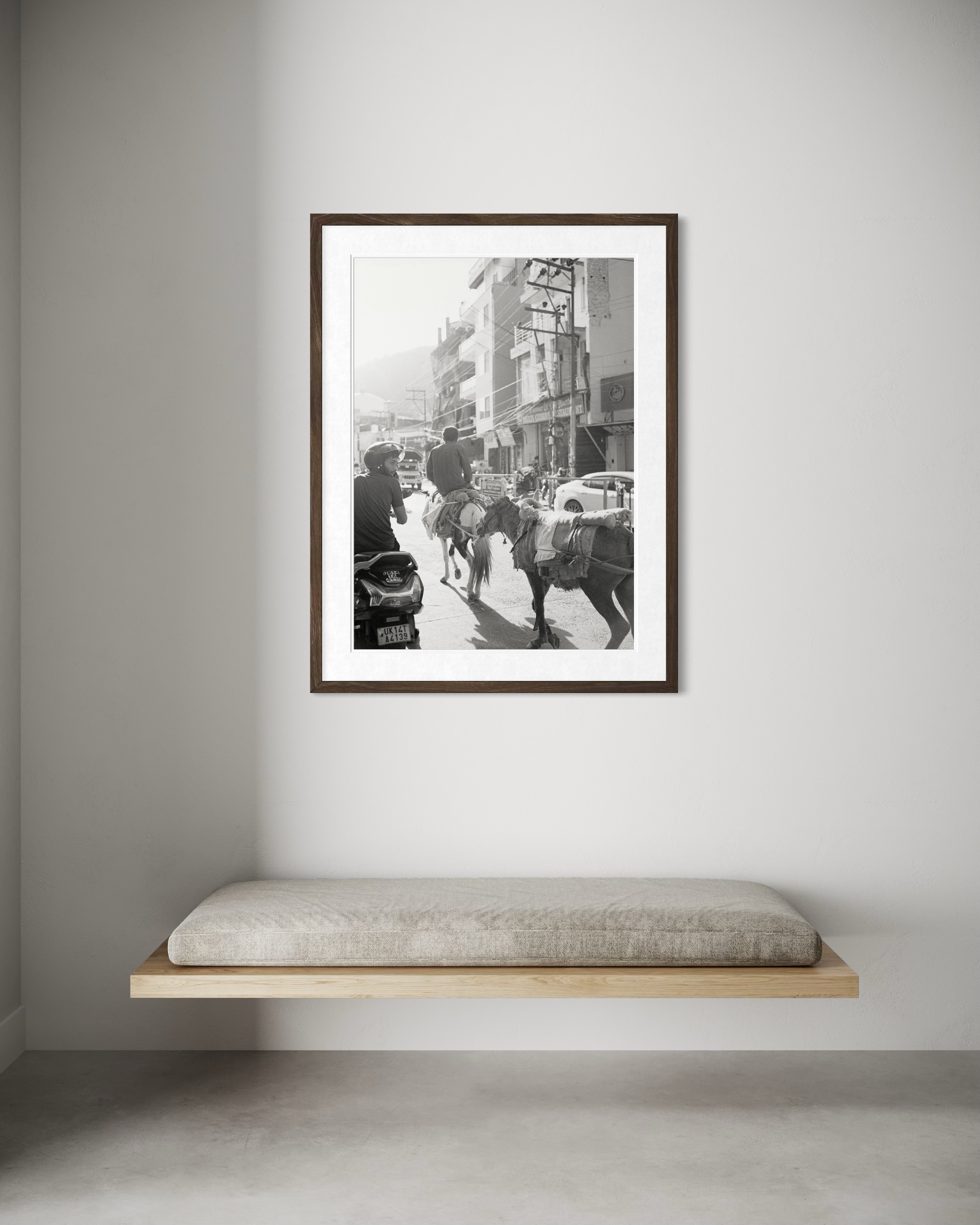
Over time, his practice has expanded from fine-art photography toward documentary and human-centered storytelling. His projects have taken him through the Caribbean, the United States, Rwanda, India, Colombia, Ecuador, and Peru. He is drawn to elders, families, artists, Indigenous knowledge holders, ceremonial gatherings, and everyday encounters that reveal the quiet dignity of human life. His approach is relational rather than observational alone. He spends time listening, participating, and allowing trust to shape the images that emerge.
Through his ongoing collaboration with Tierra Amor, Nkosi has documented ceremonies, wisdom circles, musical gatherings, expeditions, and community teachings through photography, film, interviews, and written stories. This work has deepened his belief that image-making can become an act of service. The purpose is not simply to collect beautiful photographs, but to help carry stories forward with care.
Nkosi has self-published six photographic books: Follow Me I’ll Be Right Behind You (2017), Sonata: Minimal Study (2018), Birds Singing Lies (2018), Rwanda (2019), Where Does the Body Begin? (2019), and Swayam Jyotis (2023).
He is currently developing a new photobook and short documentary film drawn from more than sixty rolls of 35mm film made during journeys through Colombia and Peru. The work follows questions of ancestry, Andean wisdom, ceremony, community, and the living relationship between people and the natural world. Across every form, Nkosi’s practice remains rooted in the same intention: to be present, to listen deeply, and to create work that honors the lives entrusted to his lens.
ARTIST STATEMENT
Nkosi Gomez works across photography, film, and writing. His practice begins with attention. He is drawn to quiet gestures, family life, ceremony, street scenes, landscapes, and unexpected encounters that reveal how people carry memory, ancestry, and belonging. Rather than imposing meaning upon these moments, he allows it to emerge through time, proximity, and trust.
Photography is a form of moving meditation for Gomez. The viewfinder quiets the mind and sharpens his awareness of light, gesture, color, texture, and the relationships forming within the frame. His contemplative practice is expressed through the way he works: slowly, intuitively, and with respect for what is unfolding. The resulting images are responses to lived experience rather than illustrations of predetermined ideas.
While his early work was shaped by conceptual and series-based approaches, his current practice has moved toward relational documentary storytelling. He spends time listening, participating, and building connections with the people and communities he photographs. Working with 35mm film, digital photography, moving image, interviews, and written stories, he explores the lives of elders, families, artists, Indigenous knowledge holders, and communities whose experiences are closely connected to ceremony, land, and cultural memory.
Gomez understands image-making as an act of service. His purpose is not simply to collect beautiful photographs, but to honor the people, knowledge, and experiences entrusted to him. Through this practice, he hopes to carry stories forward with care while asking viewers to slow down, look closely, and recognize the mystery held within ordinary life.