Rwanda.
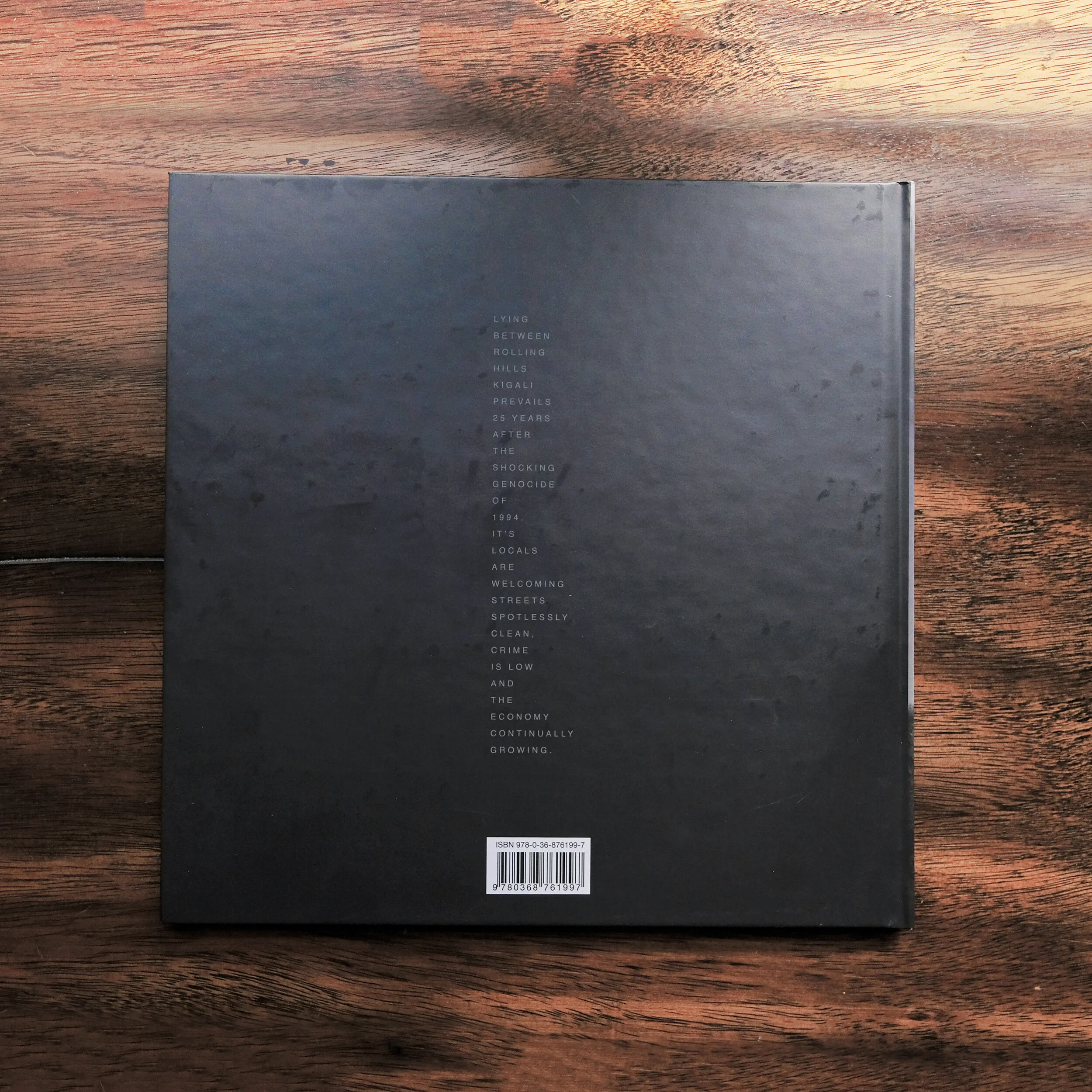
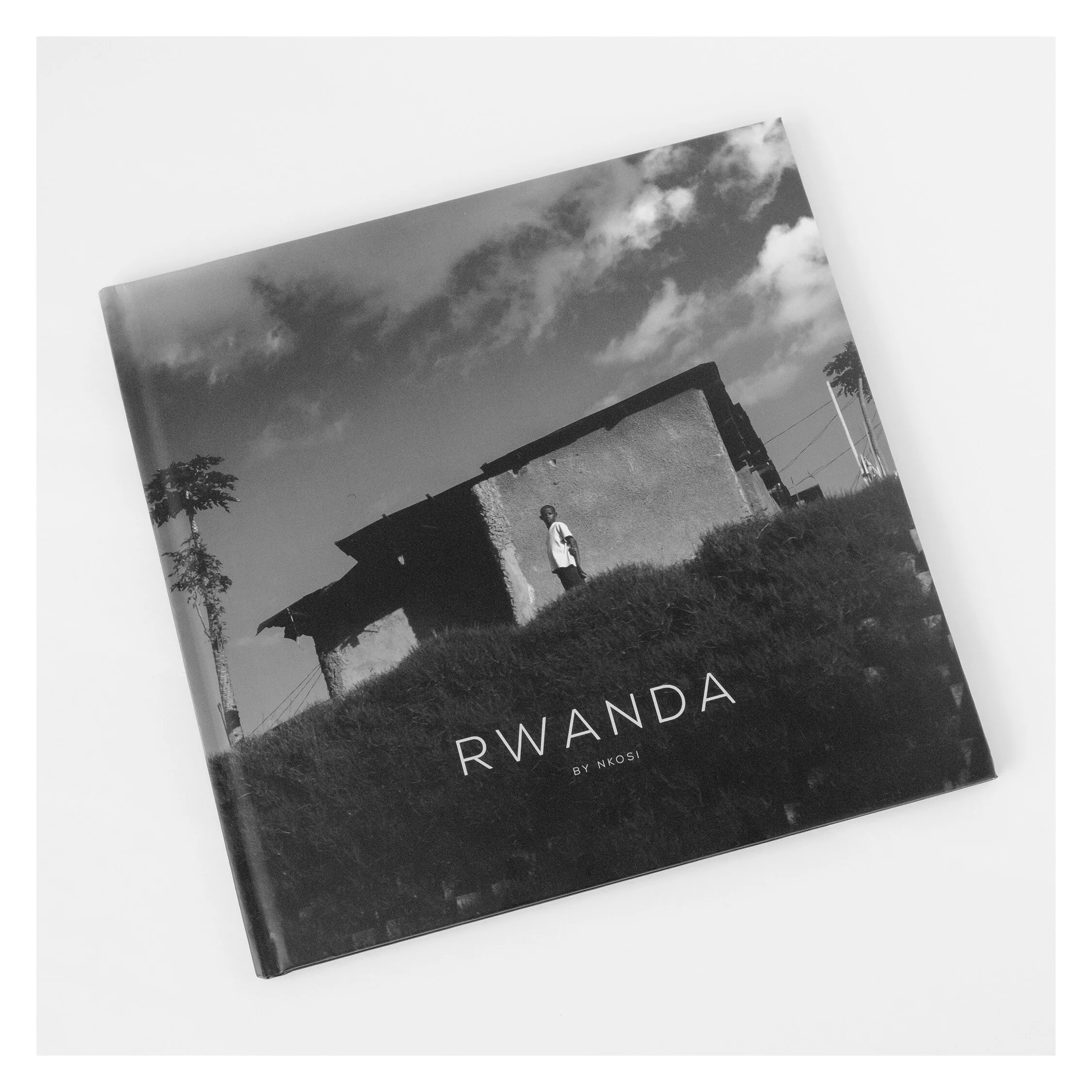
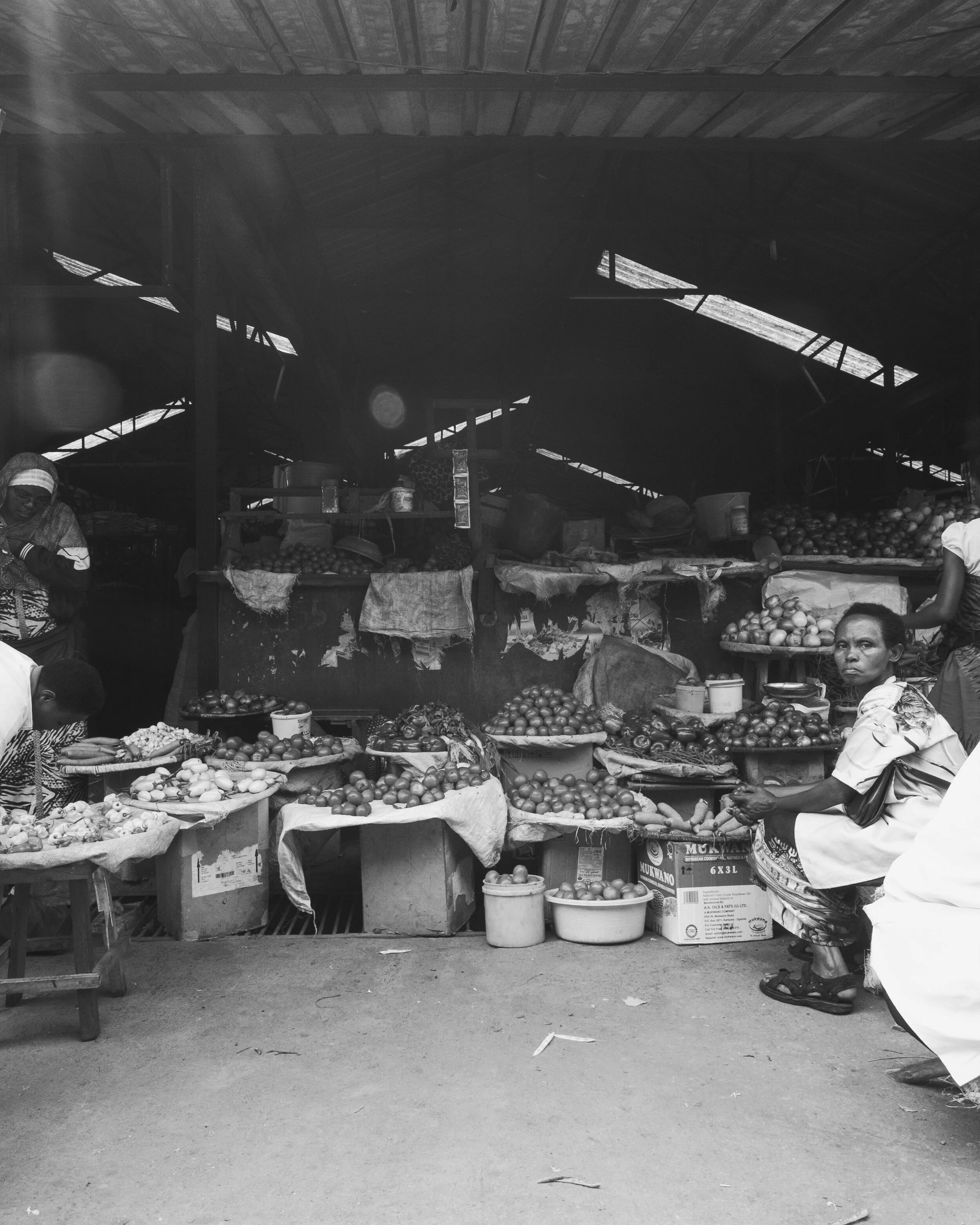
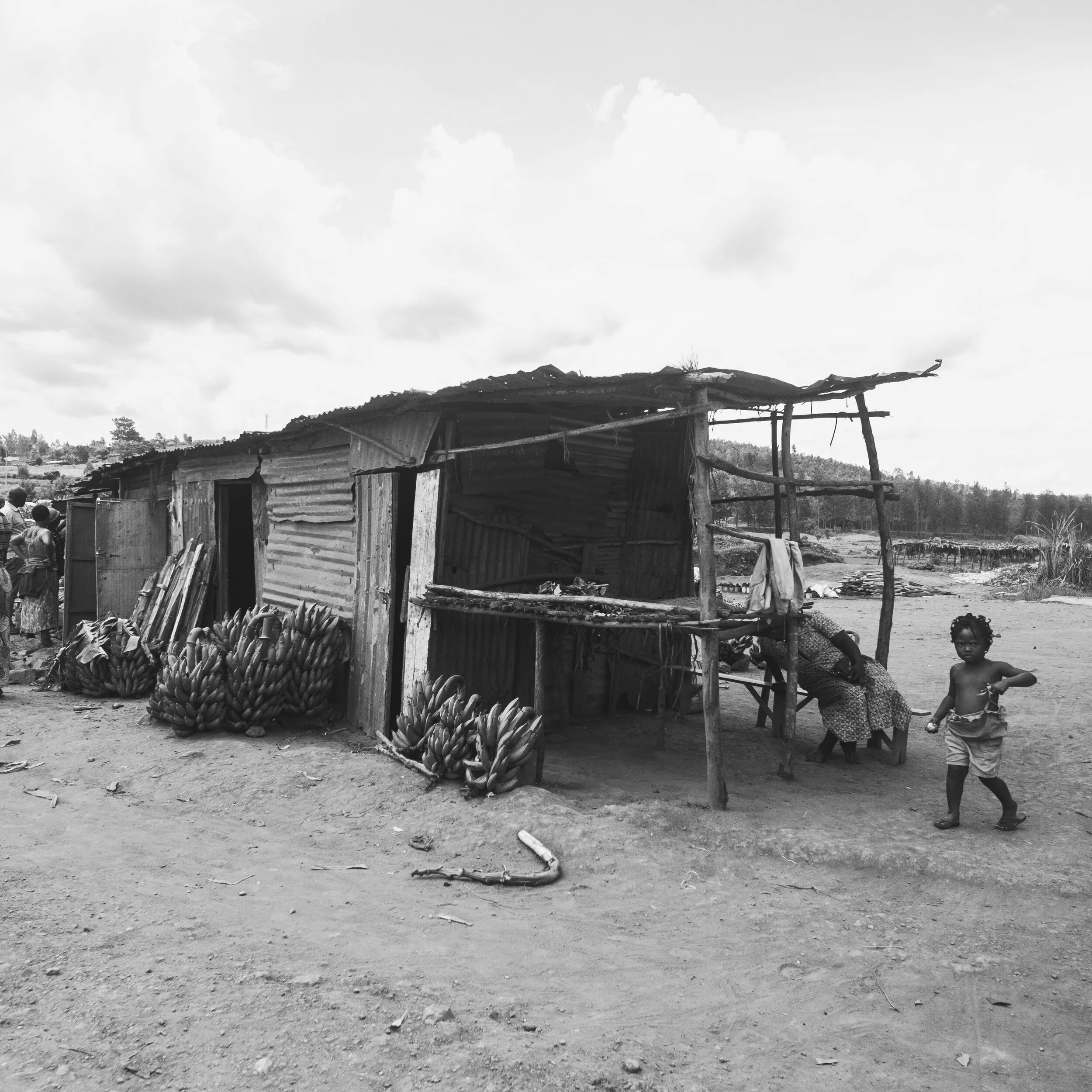
Rwanda.
Photographer: Chance Nkosi Gomez
Design: Chance Nkosi Gomez
Publisher: Self-Published
Year: May 2019
Binding: Hardcover
Pages: 24 / Luster Photographic Paper
Size: 12x12 in, 30x30 cm
Language: English
Edition: Rwanda
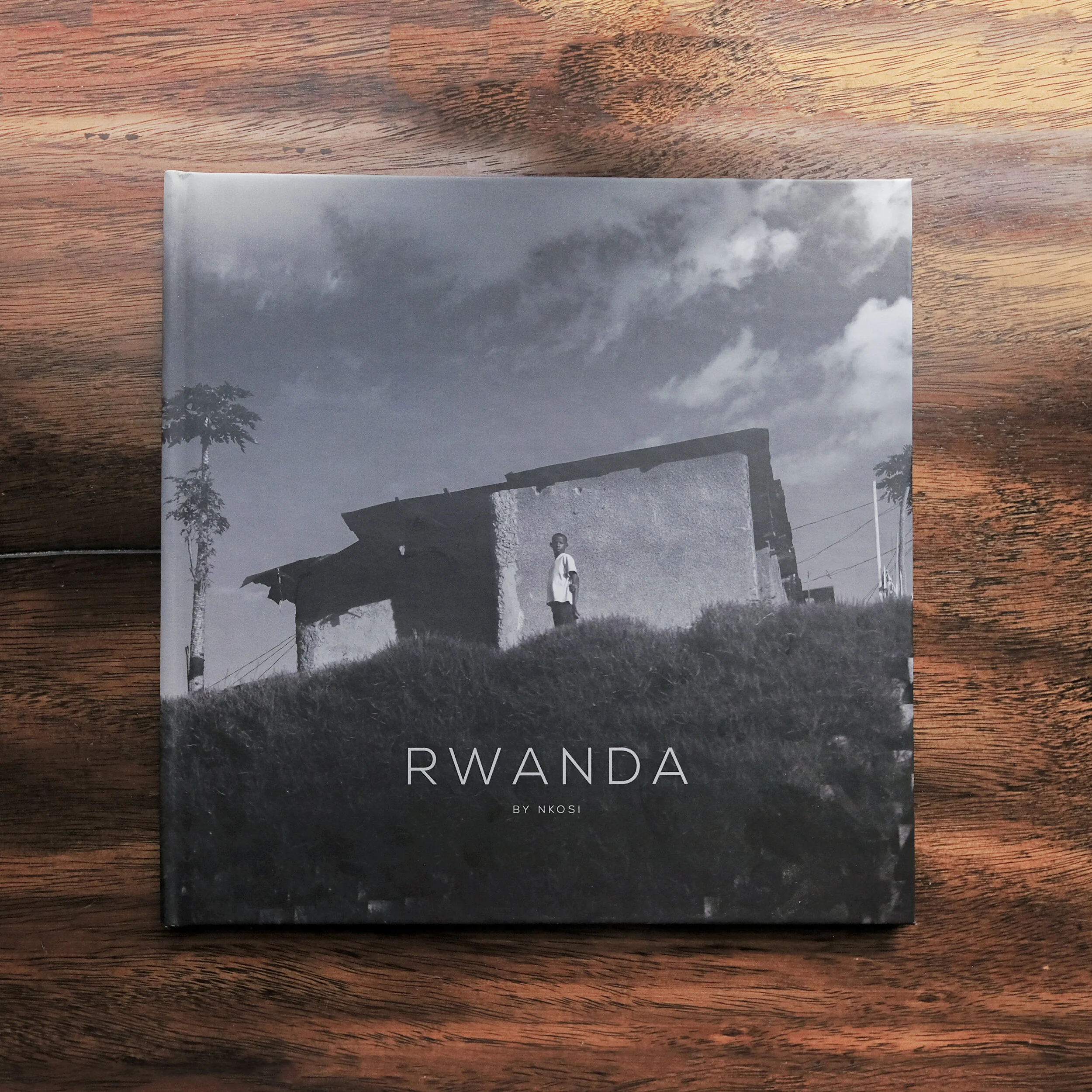
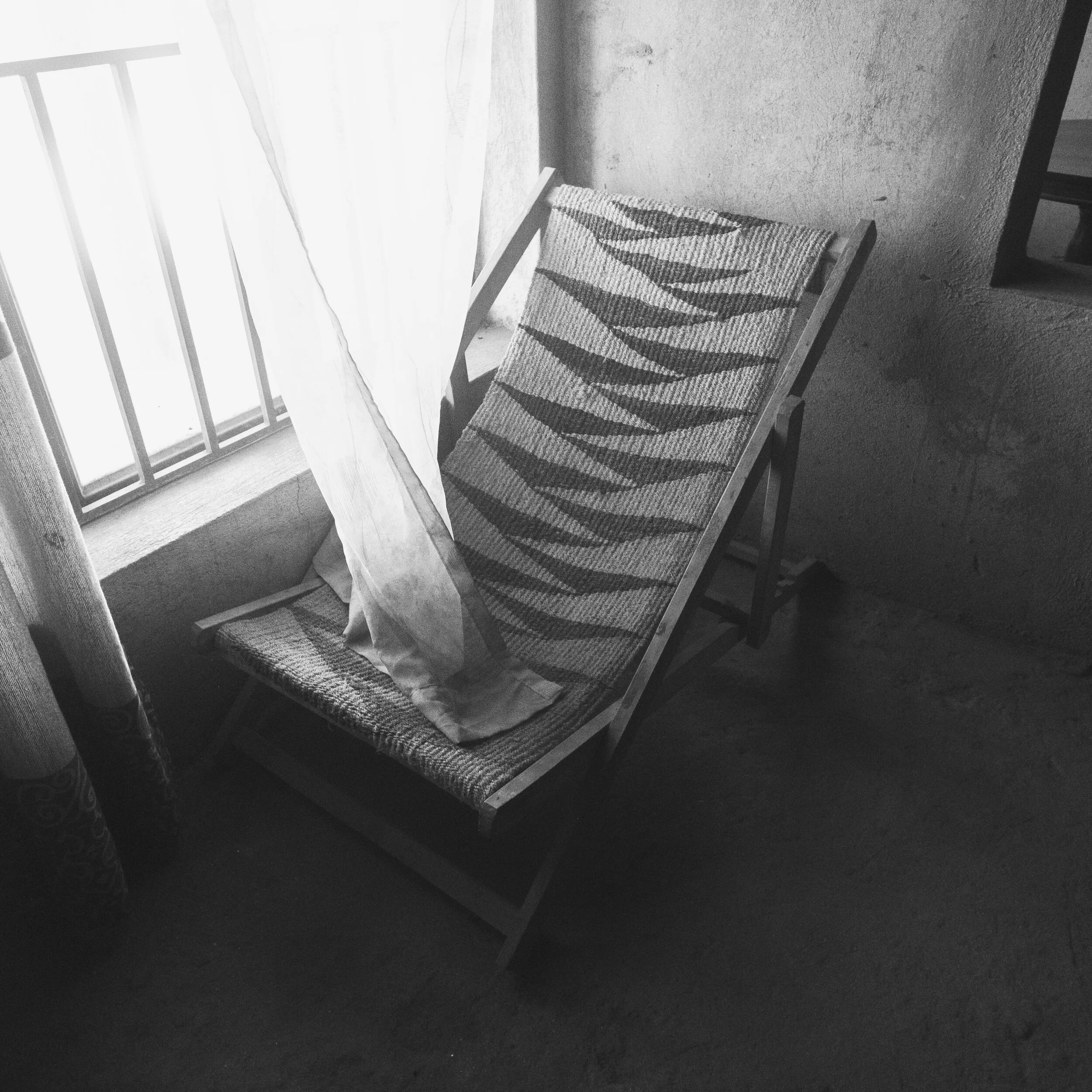
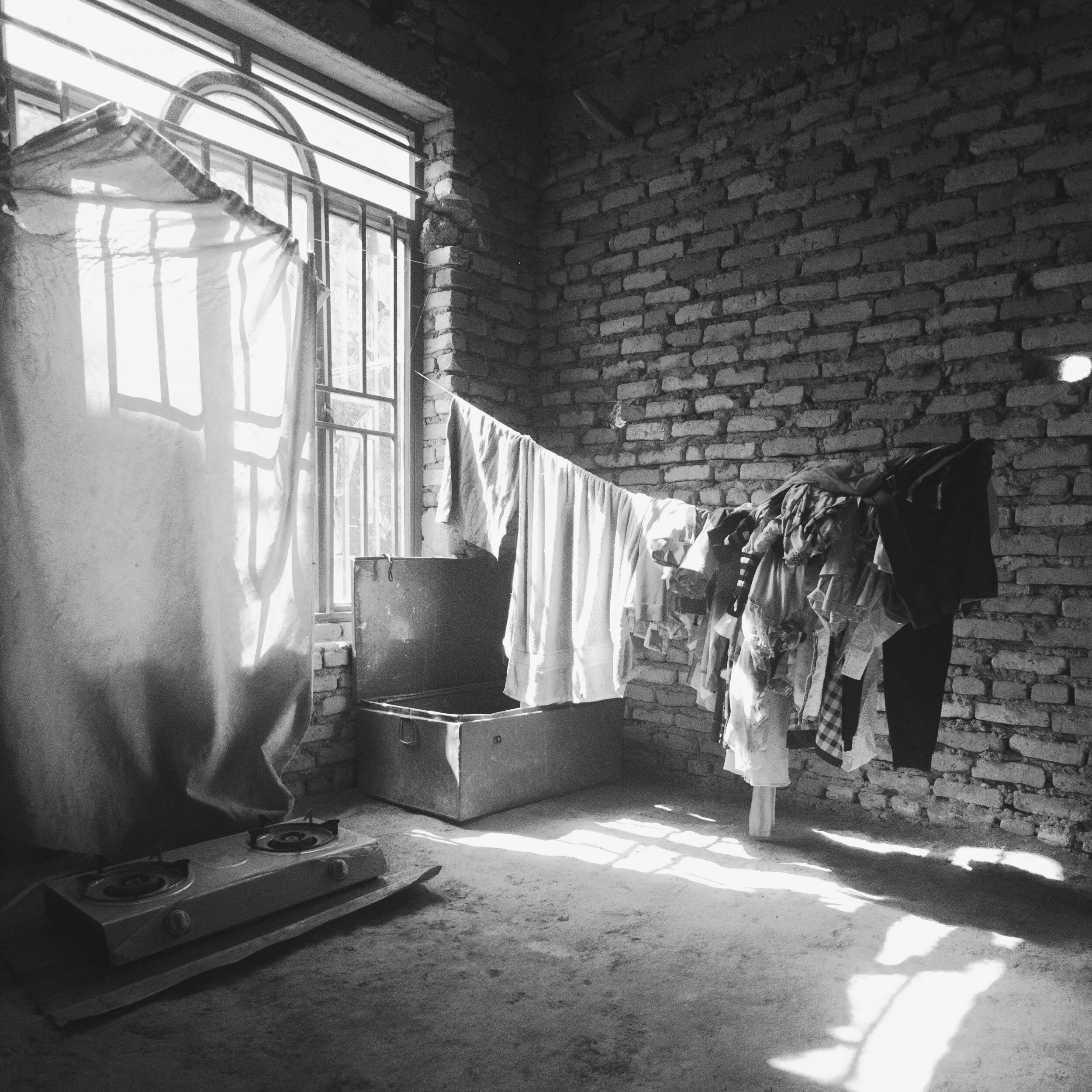
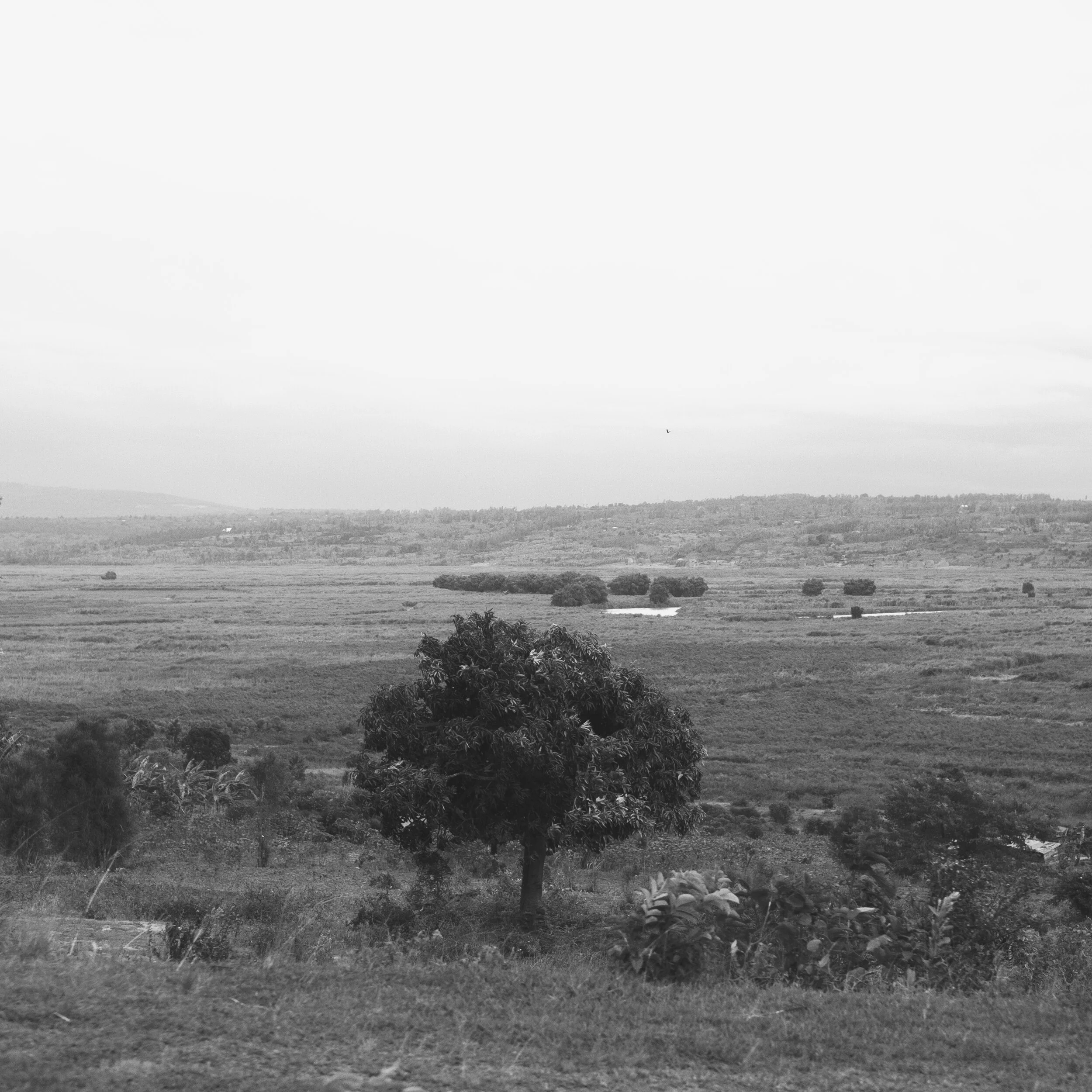
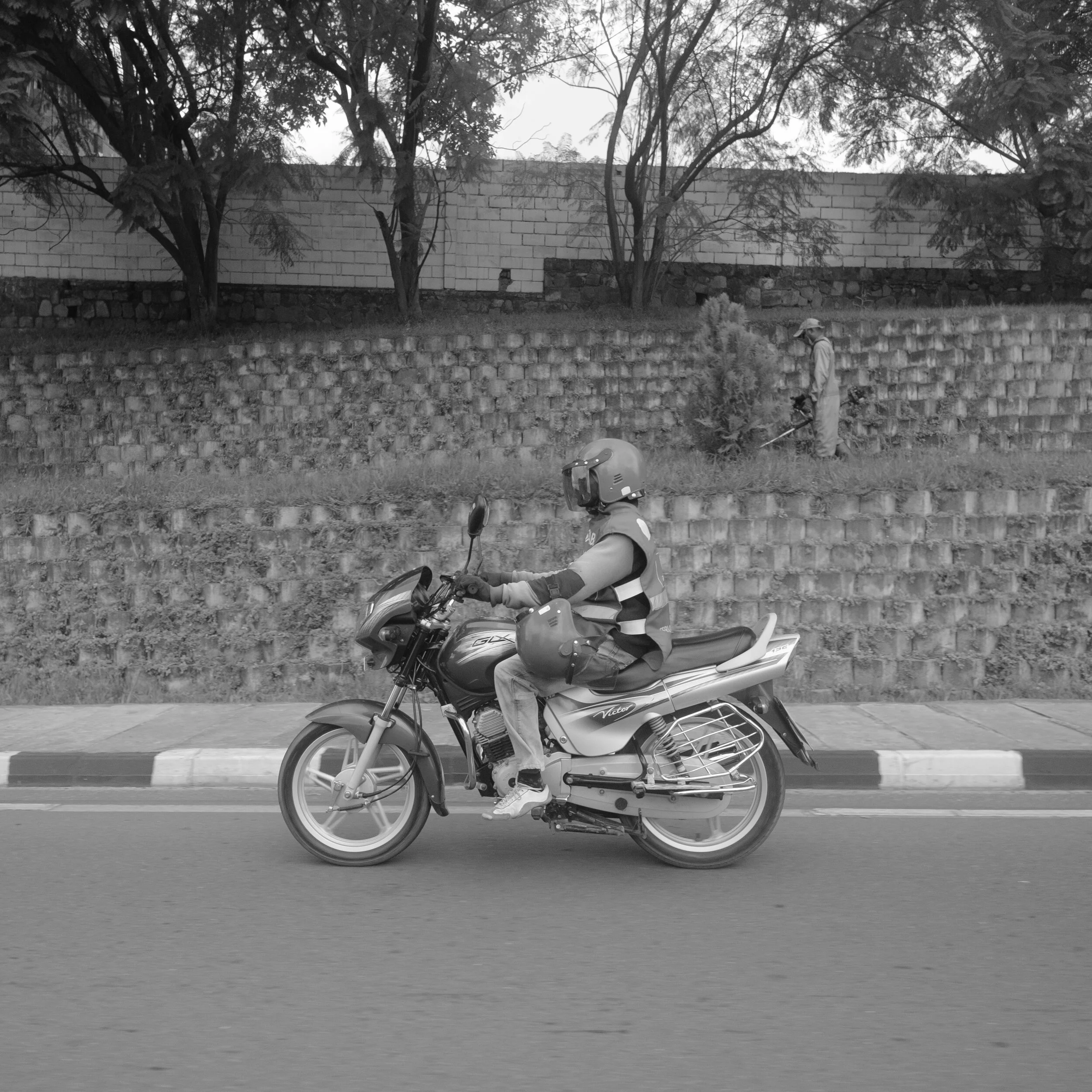
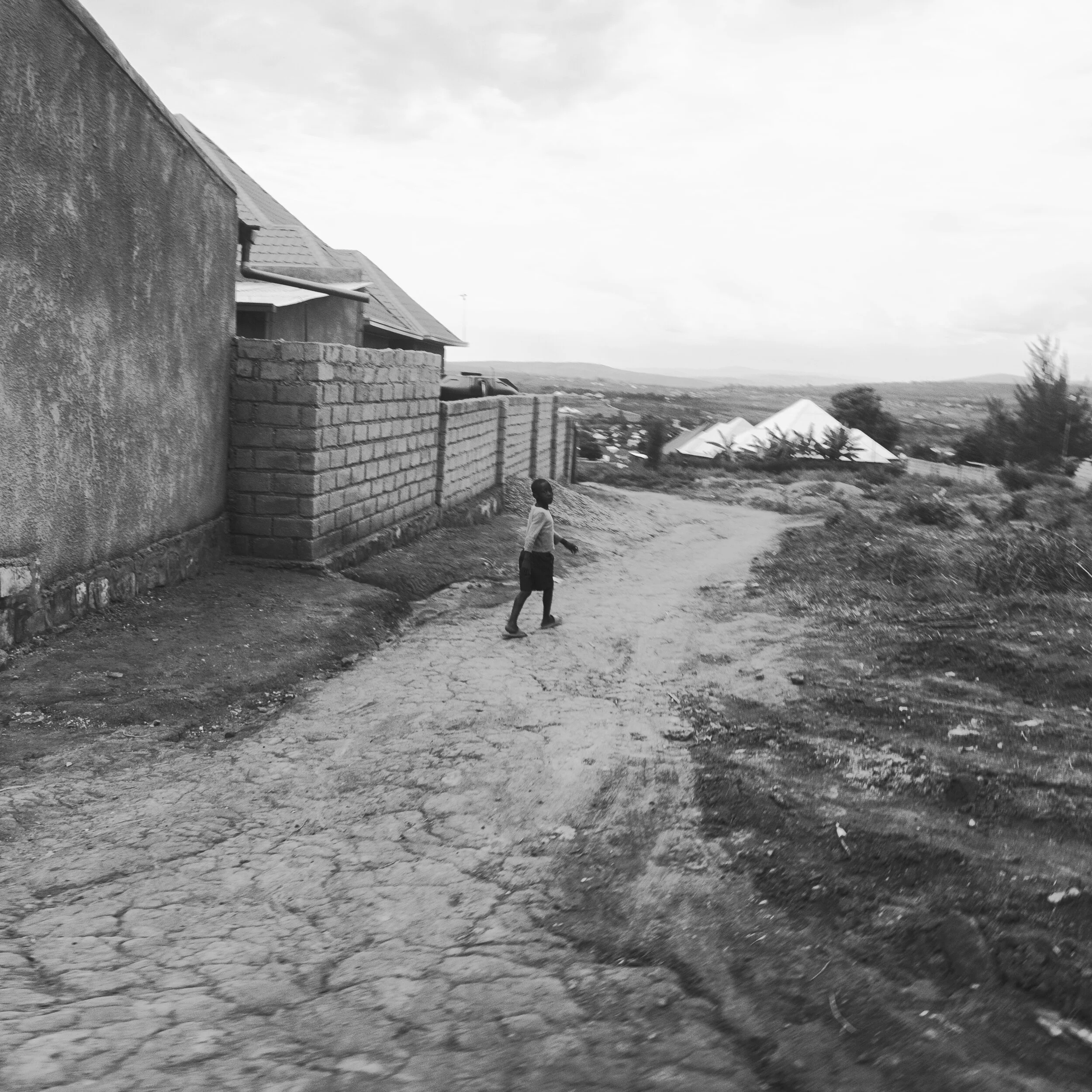
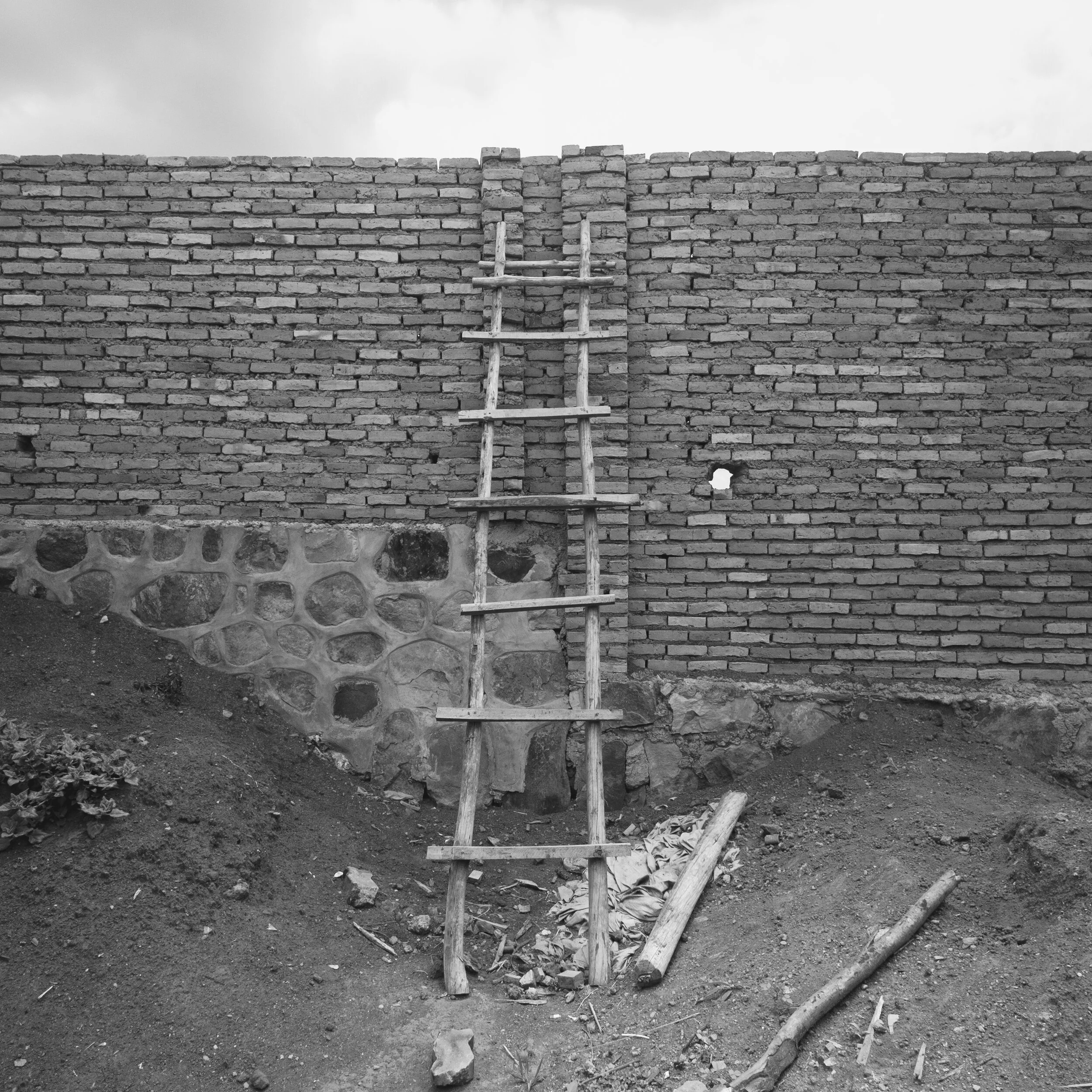
Rwanda (2019) by Nkosi Gomez stands apart from his more conceptual and surreal bodies of work. It is a quieter, more observational project—rooted in lived experience, human presence, and the weight of place.
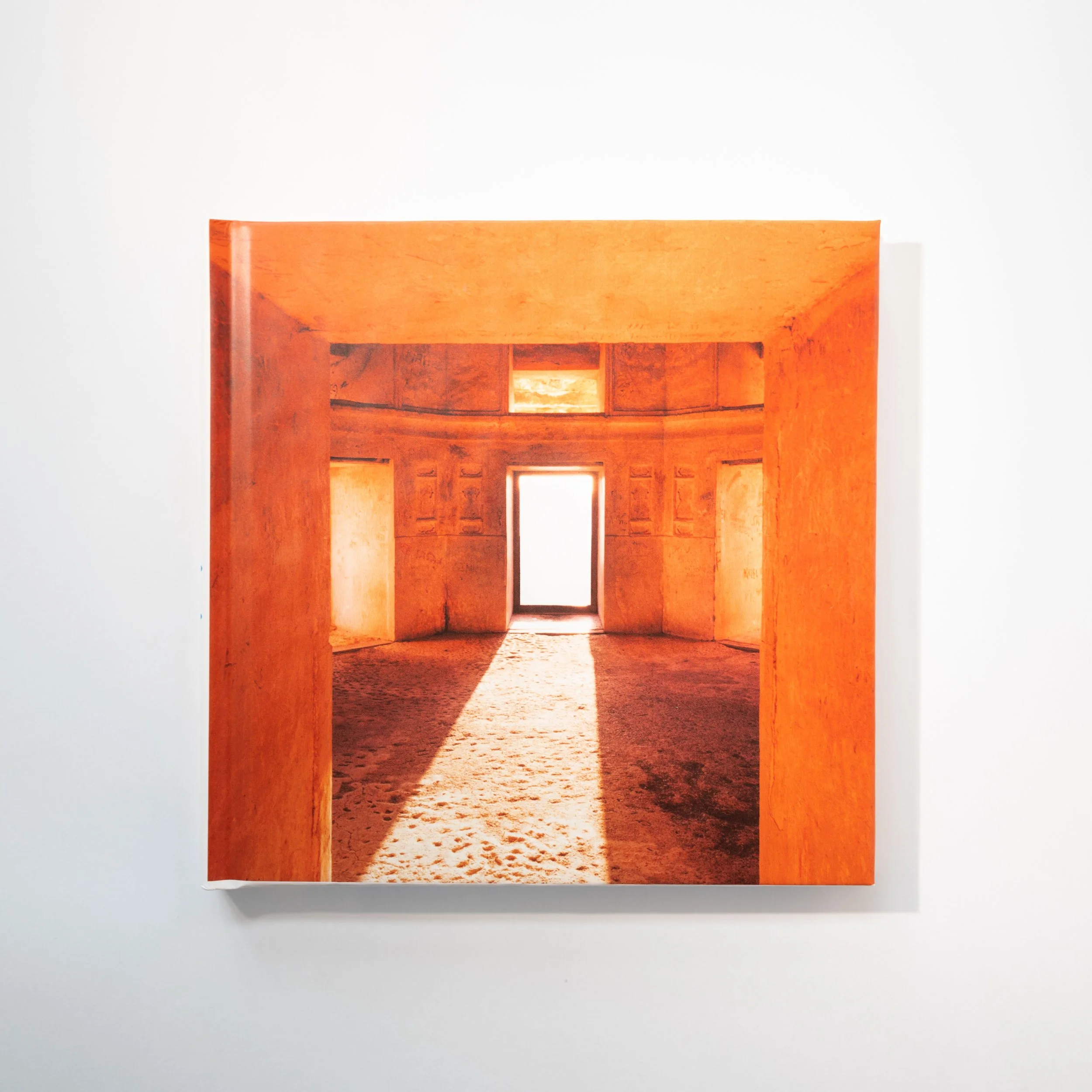
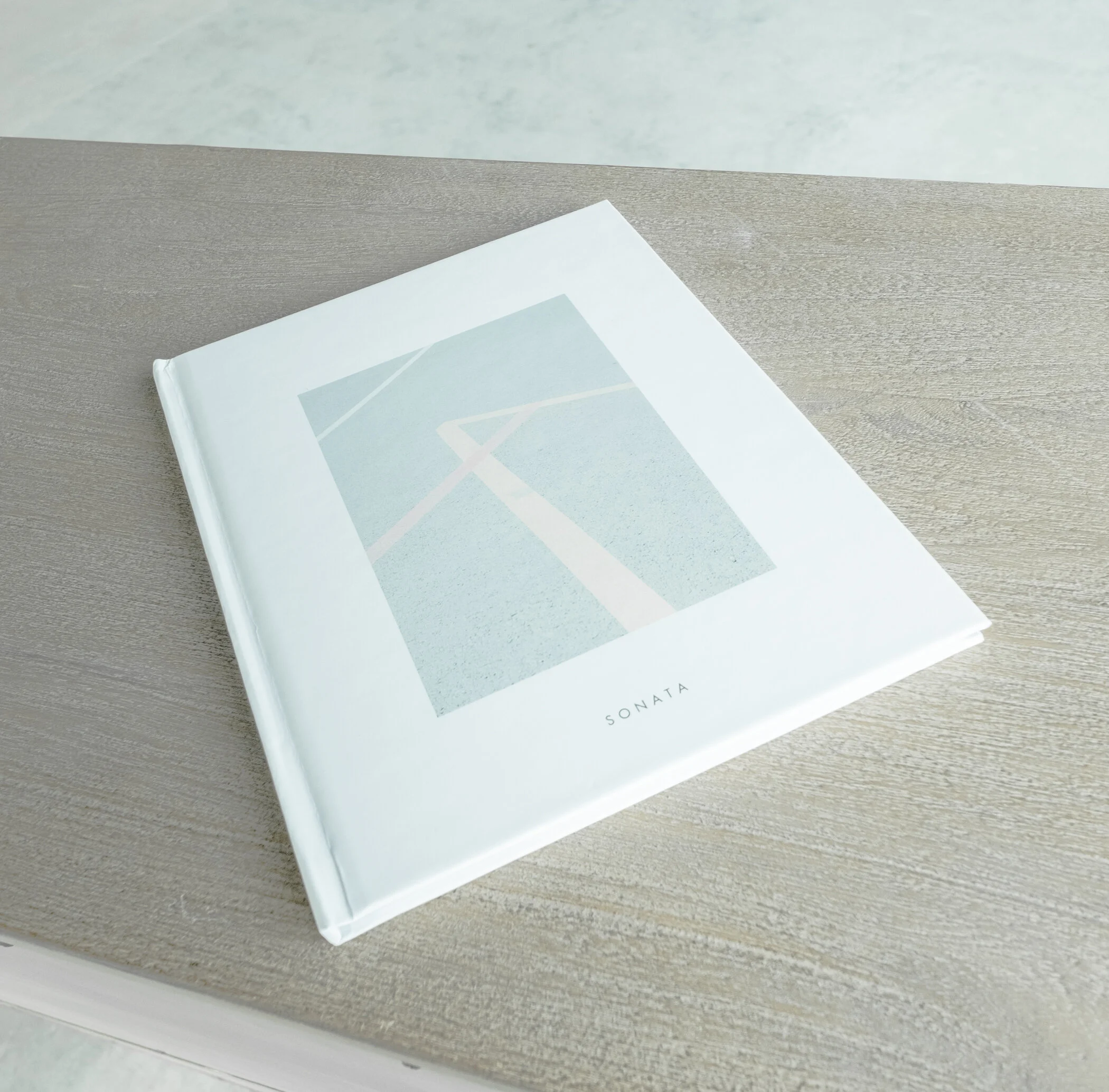
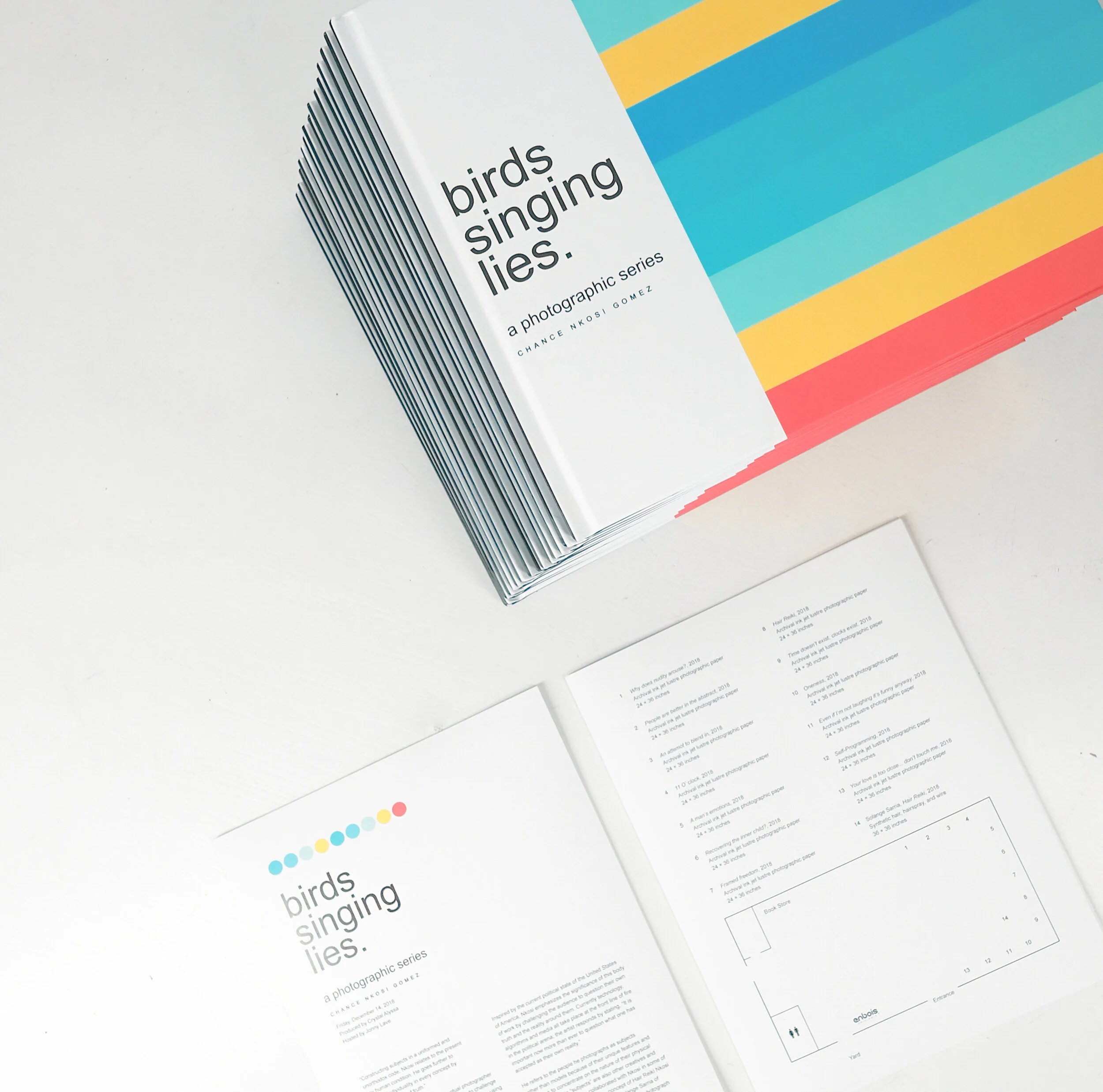
Where books like Follow me i’ll be right behind you. or Sonata lean into abstraction and constructed ambiguity, Rwanda turns outward. It is grounded in documentary sensibility, yet still carries Gomez’s signature awareness of composition, light, and moment.
A shift toward witnessing
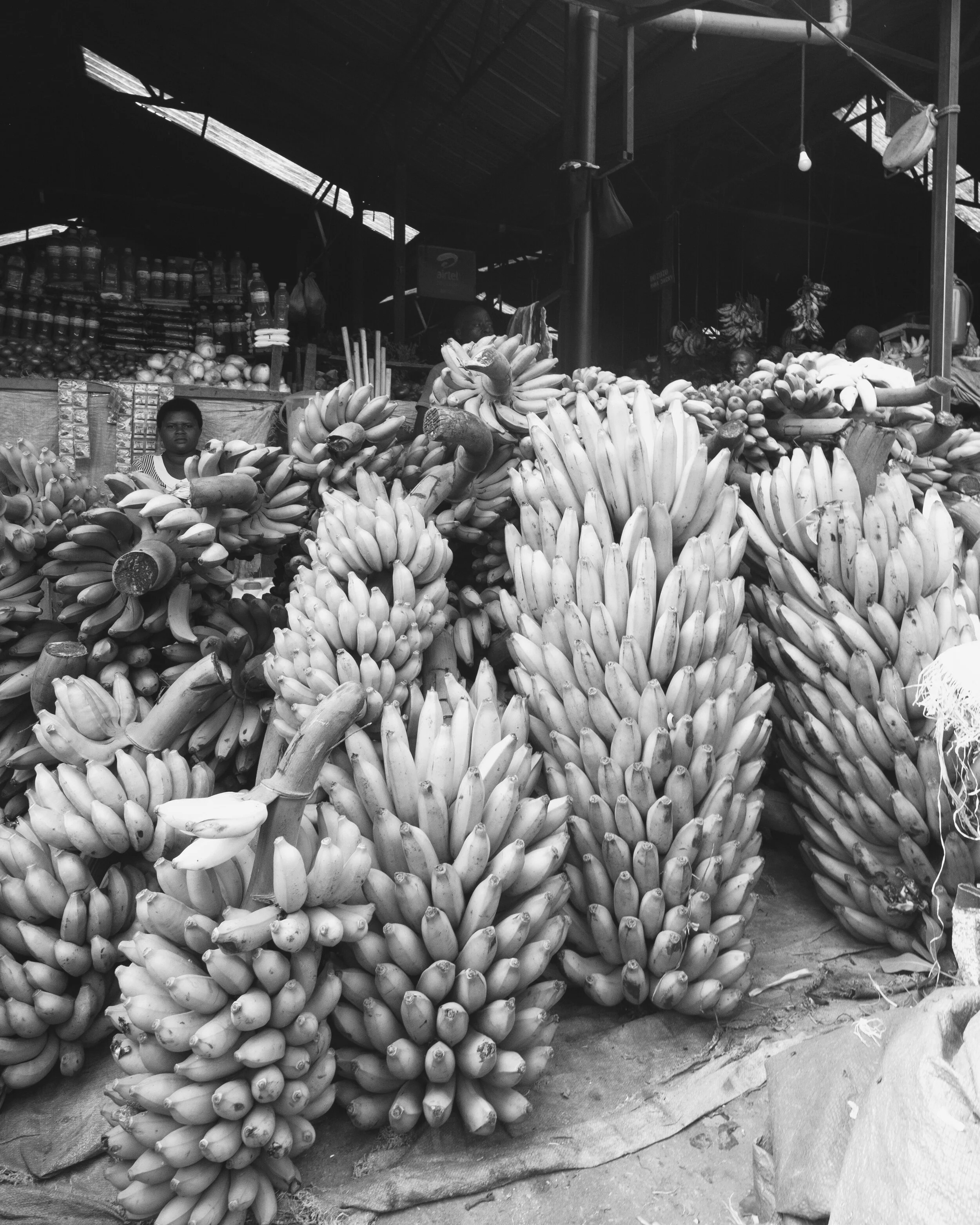
This book feels like an act of witnessing rather than staging. Gomez travels through Rwanda with the intention of seeing—allowing environments, people, and everyday life to unfold without heavy manipulation. The images often feel patient and respectful, as if the camera is listening rather than directing.
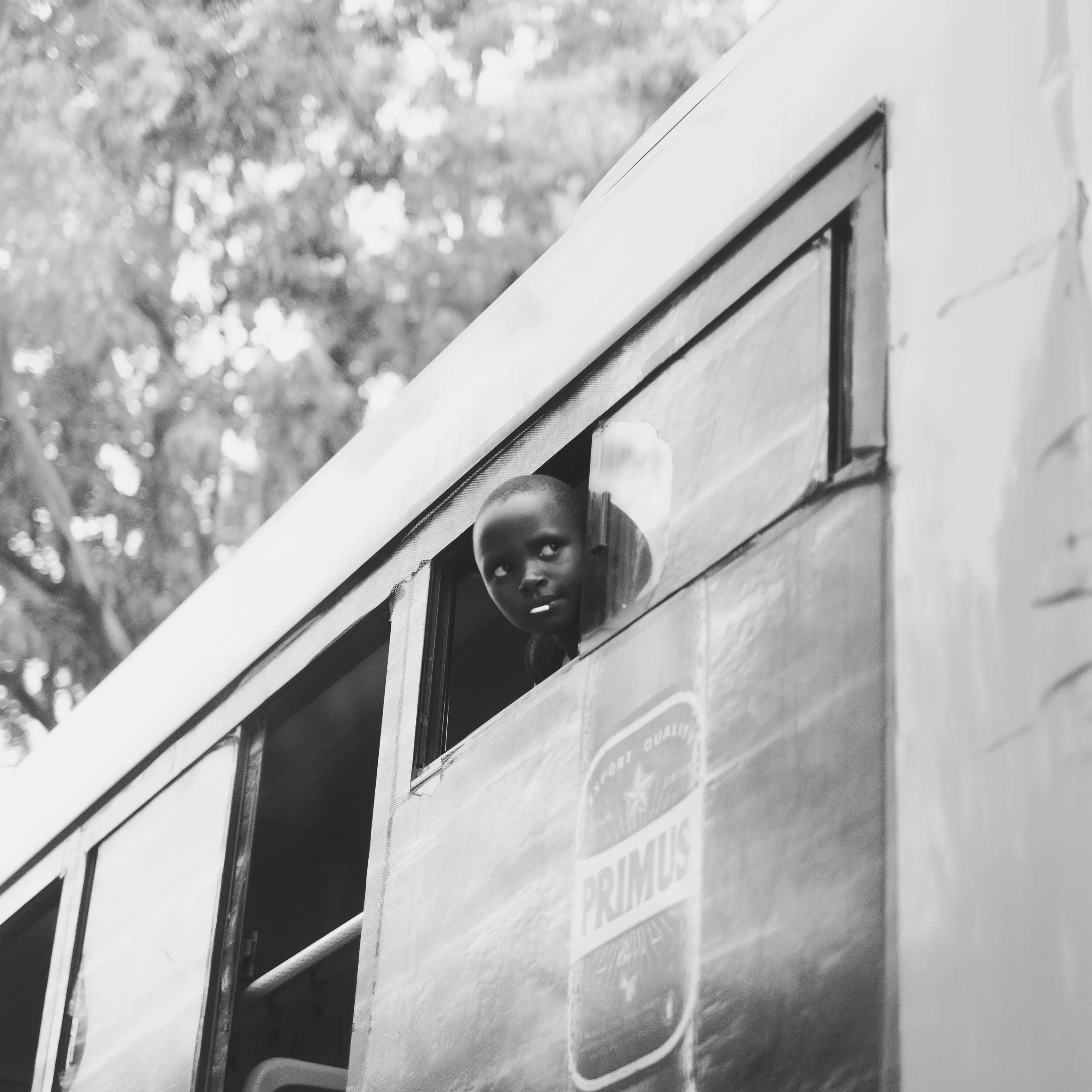
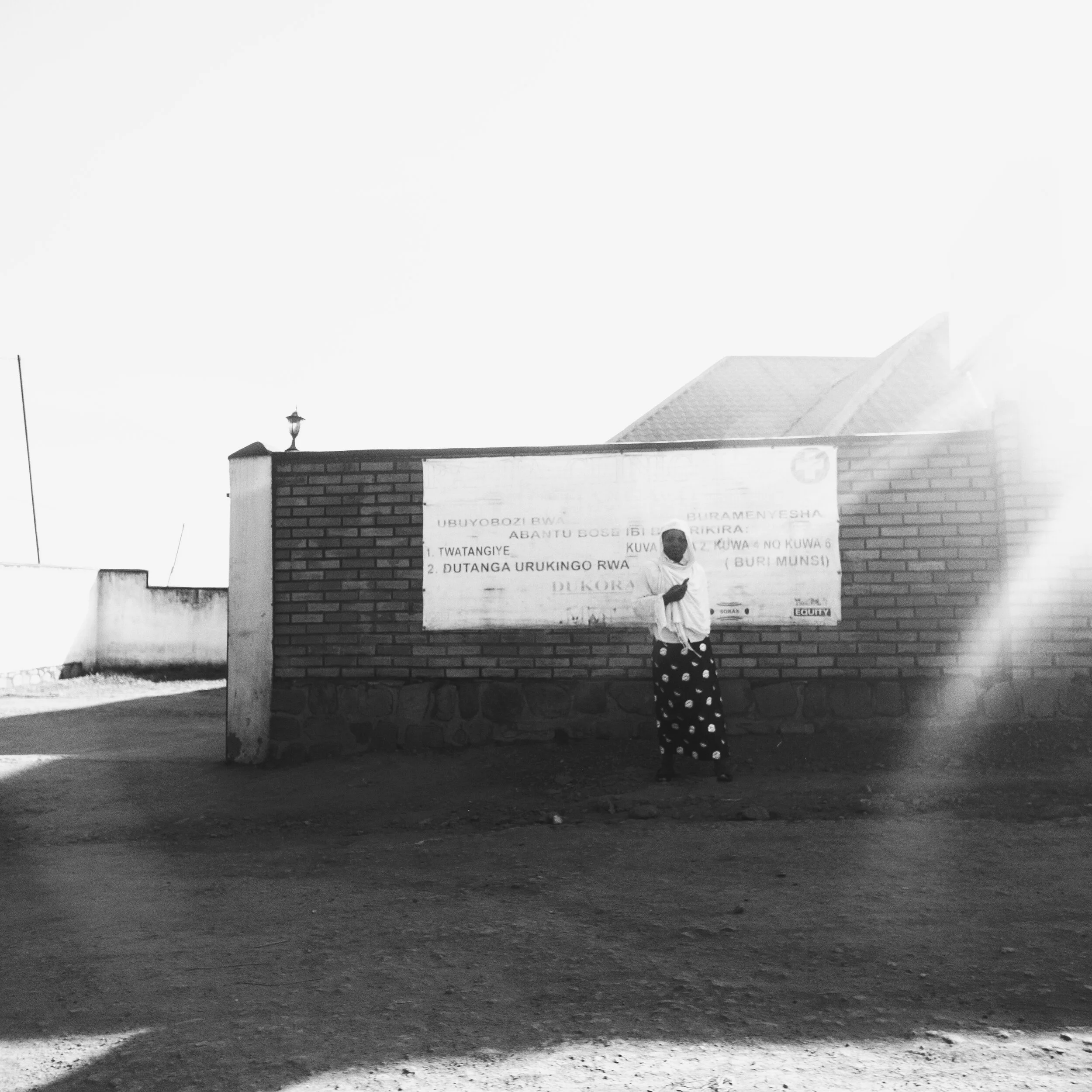
There is a strong sense of stillness throughout. Subjects are not exaggerated or distorted; instead, they exist fully within their environments—streets, interiors, landscapes—each frame holding a quiet dignity.
Human presence and memory
Given Rwanda’s history, the work inevitably carries an undercurrent of collective memory. The country is still marked by the legacy of the 1994 genocide, in which hundreds of thousands of people were killed in a short span of time.
Gomez does not appear to document trauma directly. Instead, the images suggest resilience, continuity, and the everyday life that persists beyond tragedy. Faces, gestures, and spaces hold a subtle emotional weight—not overtly dramatic, but deeply human.
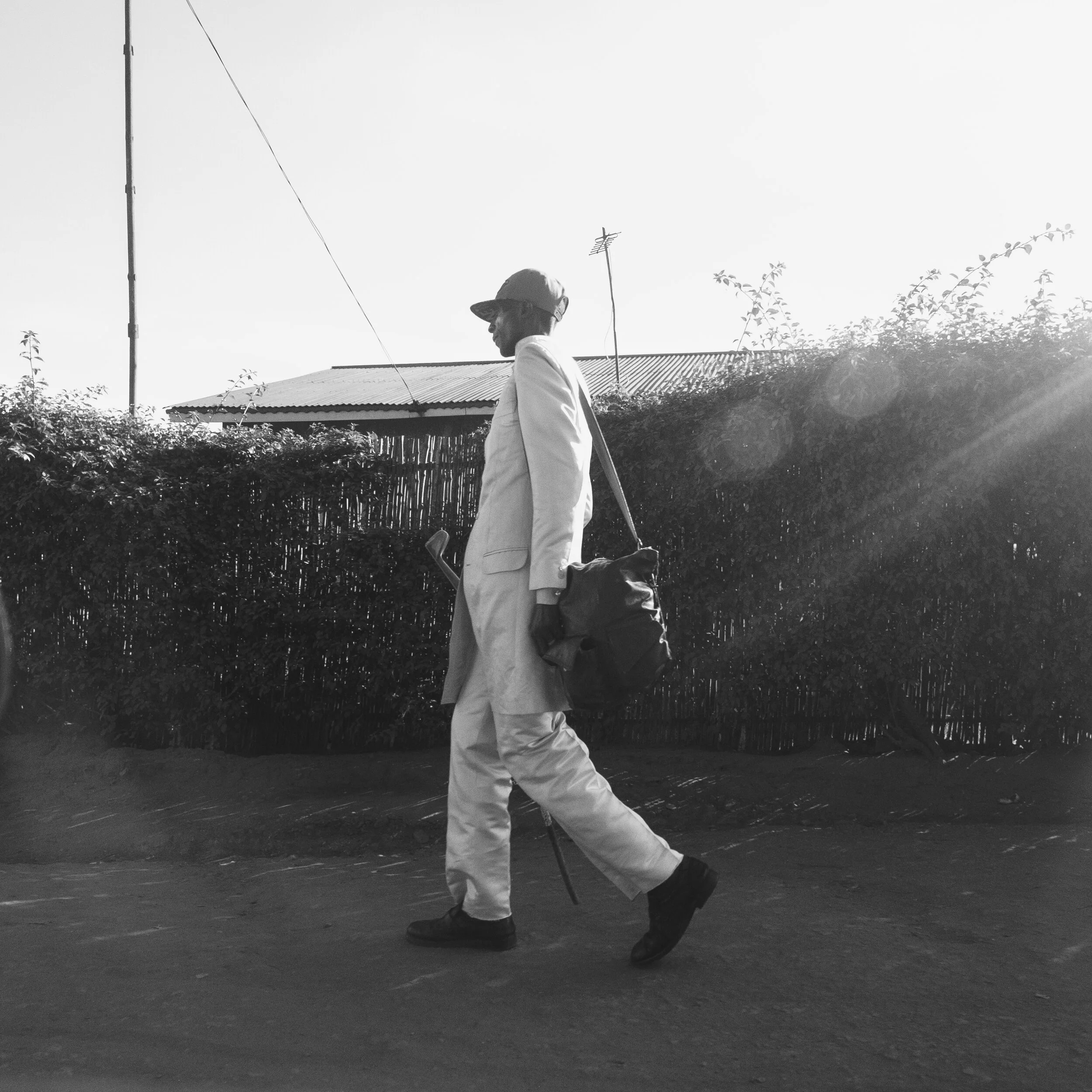
There is an attentiveness to people: how they stand, gather, rest, or move through space. Portraits feel unforced, often capturing subjects in moments of quiet presence rather than performance.
Environment as context
Landscapes and built environments play an equally important role. Rwanda’s hills, roads, and architecture are not just backdrops—they carry atmosphere and history. The terrain often appears soft yet expansive, creating a sense of depth that mirrors the emotional layers of the work.
The use of natural light reinforces this approach. Rather than dramatic lighting, Gomez works with what is available, allowing tones to remain honest and grounded.
Simplicity and restraint
Visually, the book is more restrained than his other projects:
compositions are cleaner and less surreal
gestures are subtle rather than exaggerated
color (or tonal range, if black and white is used) feels natural and unforced
This restraint gives the images a kind of humility. They don’t try to explain Rwanda—they simply observe.
A meditation on presence
At its core, Rwanda feels like a meditation on presence in a place shaped by history. It reflects Gomez’s ongoing interest in awareness, but applied to the external world rather than the internal body or conceptual space.
The photographs suggest that meaning doesn’t always come from manipulation or abstraction. Sometimes it comes from standing still, paying attention, and allowing life to reveal itself.
A different kind of intimacy
If his other books explore perception through constructed scenes, Rwanda explores connection through reality. It is less about questioning what we see and more about honoring what is there.
The result is a body of work that feels grounded, respectful, and quietly powerful—an exploration of people, place, and presence without the need for spectacle or resolution.
You may return goods if they are received damaged, or if the incorrect item is delivered. You will be refunded the cost of goods (ex. Shipping cost) once we have received the goods. Before returning an item, you are required to email to nkosi.artiste@gmail.com to inform us that the goods are being returned, stating the concerning books and reason of return.