Where does the body begin?




Where does the body begin?
Photographer: Chance Nkosi Gomez
Design: Chance Nkosi Gomez
Publisher: Self-Published
Year: December 2019
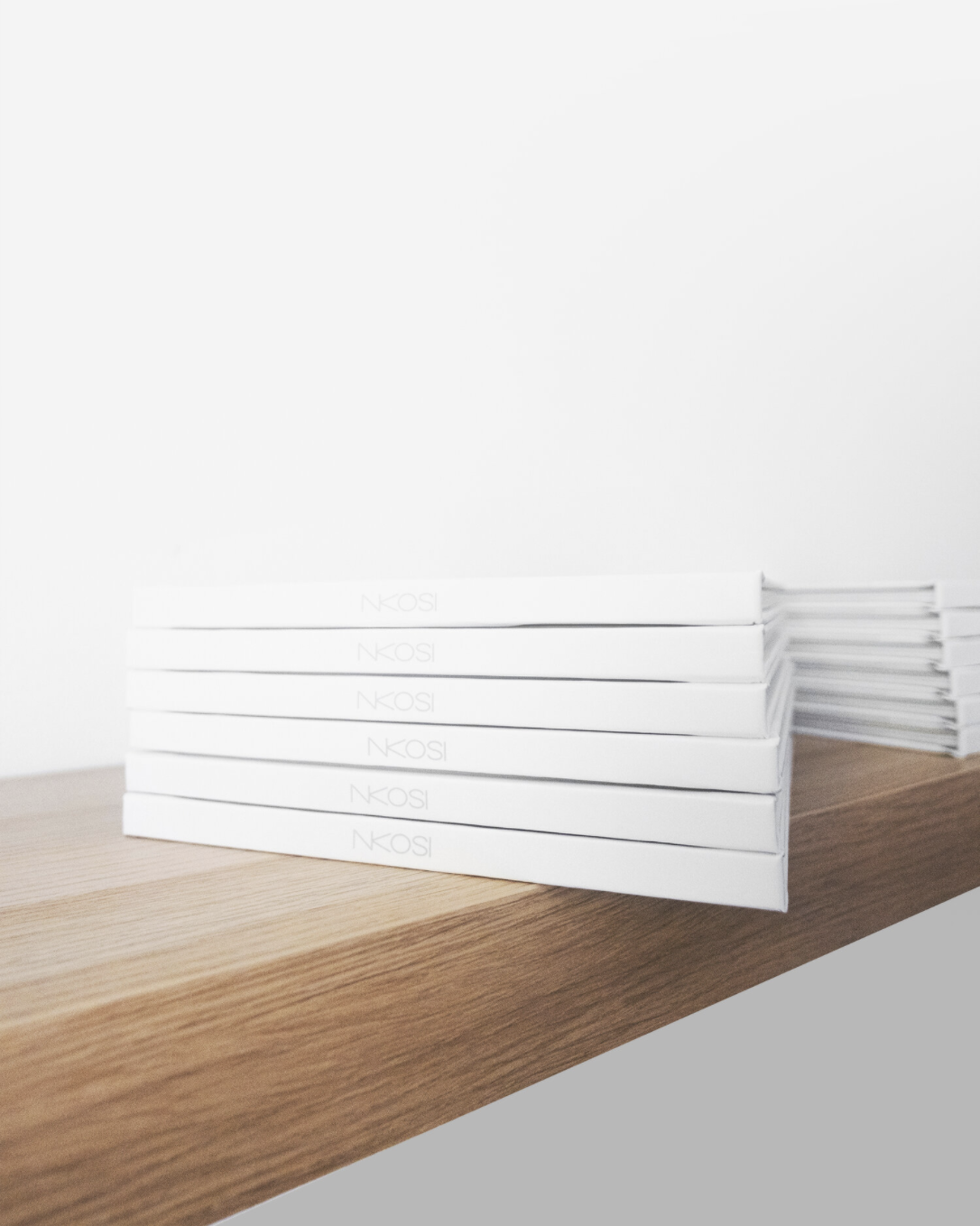
Binding: Hardcover / Soft Cover
Pages: 70 / Luster Photographic Paper
Size: 13x11 in, 33x28 cm
Language: English
Edition: Series IV
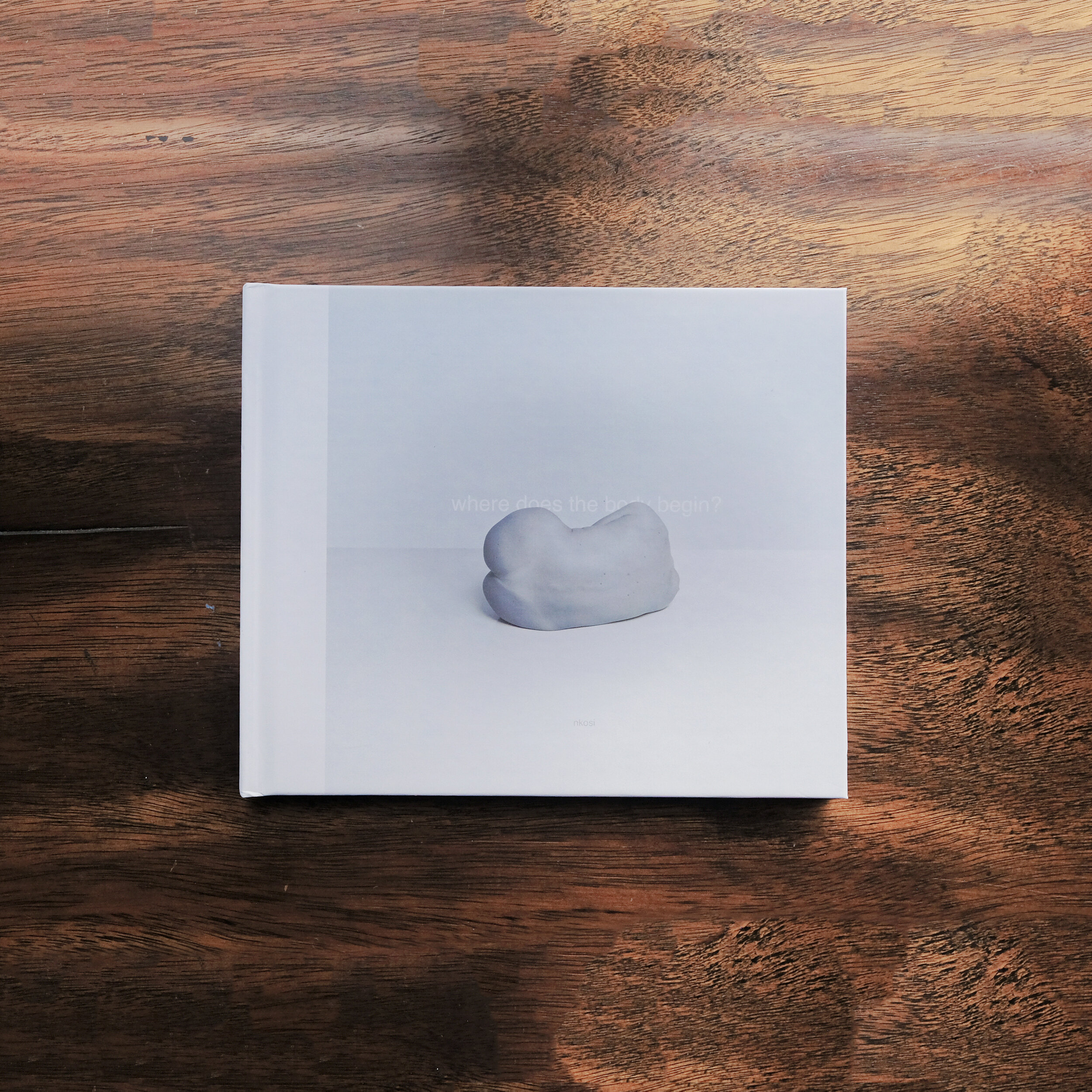
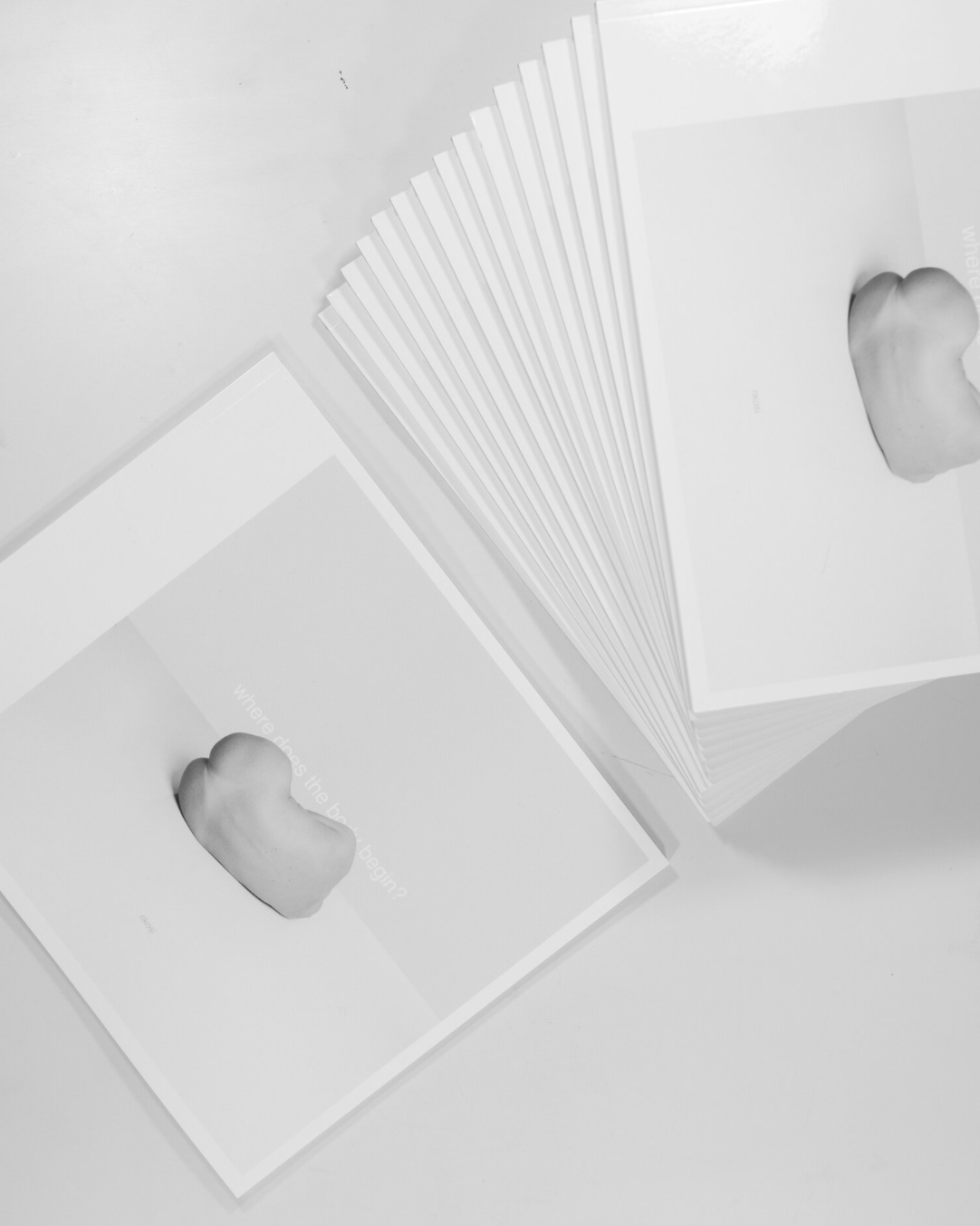
Where does the body begin? (2019) by Nkosi Gomez is one of his most conceptually focused and stripped-down photographic works—a study that moves away from narrative and toward pure inquiry into form, identity, and perception.
At its core, the book is built around a deceptively simple question: where does the body actually begin? Not just physically, but perceptually—where do we draw the line between self and environment, between identity and appearance?
A study of the body beyond identity
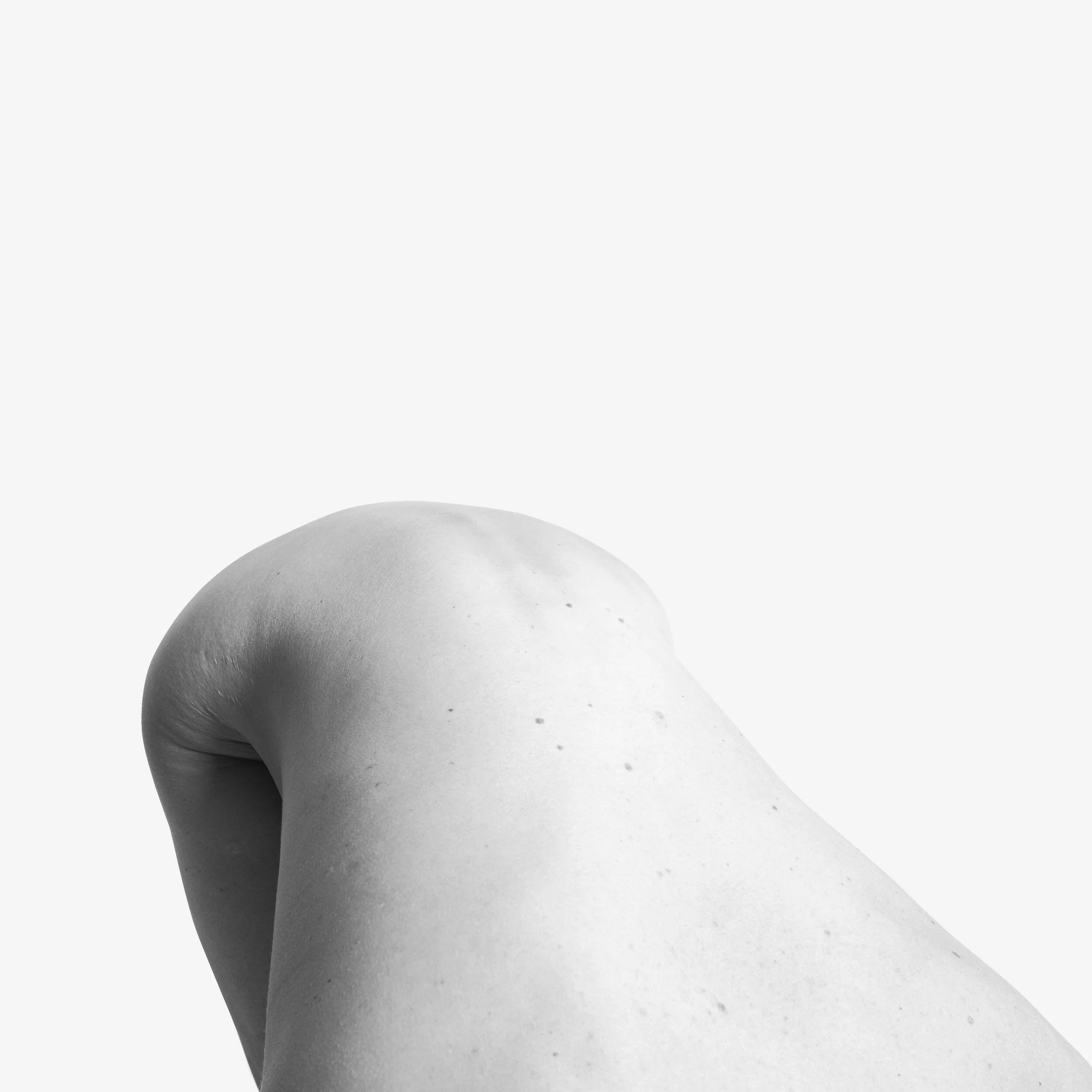
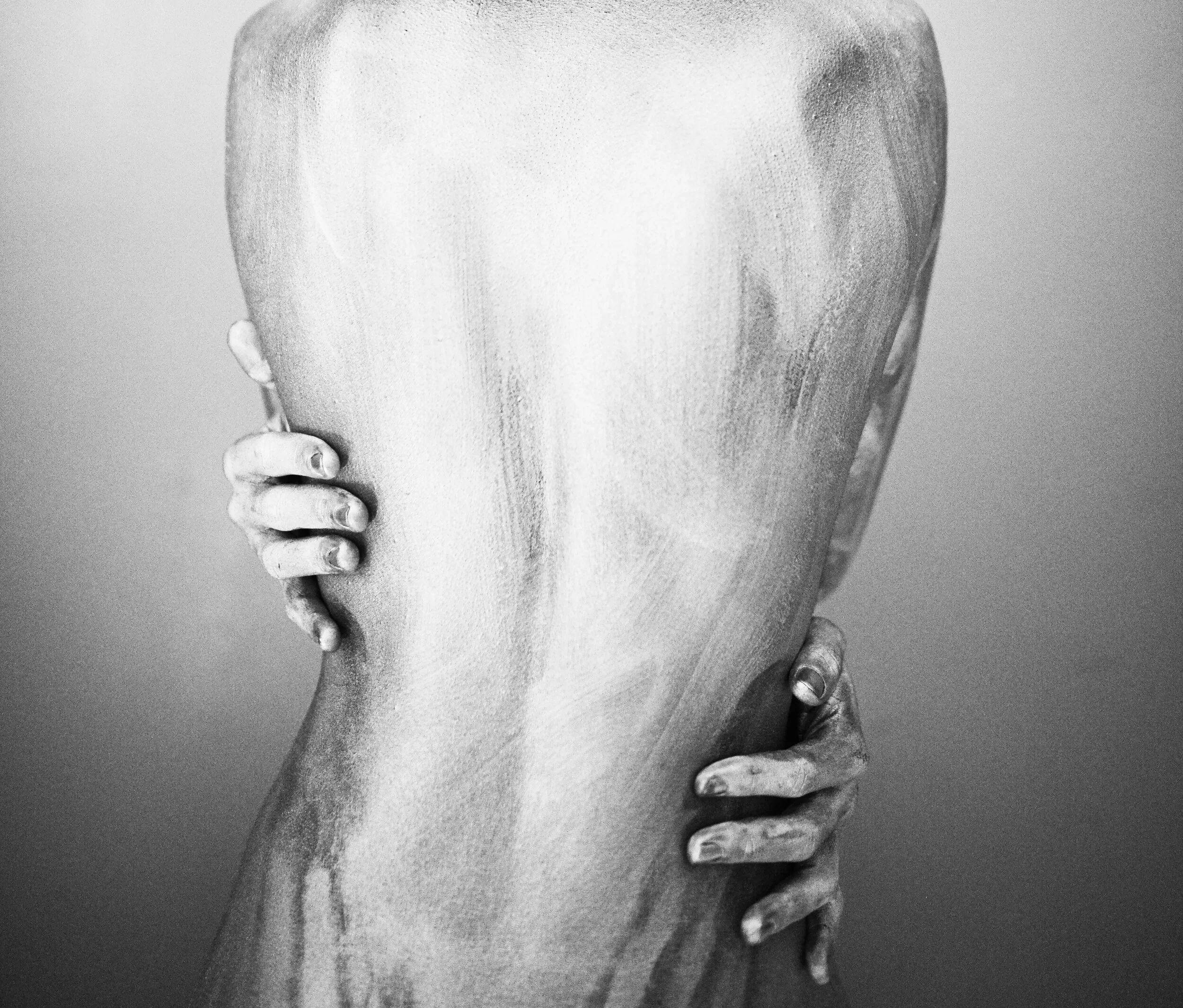
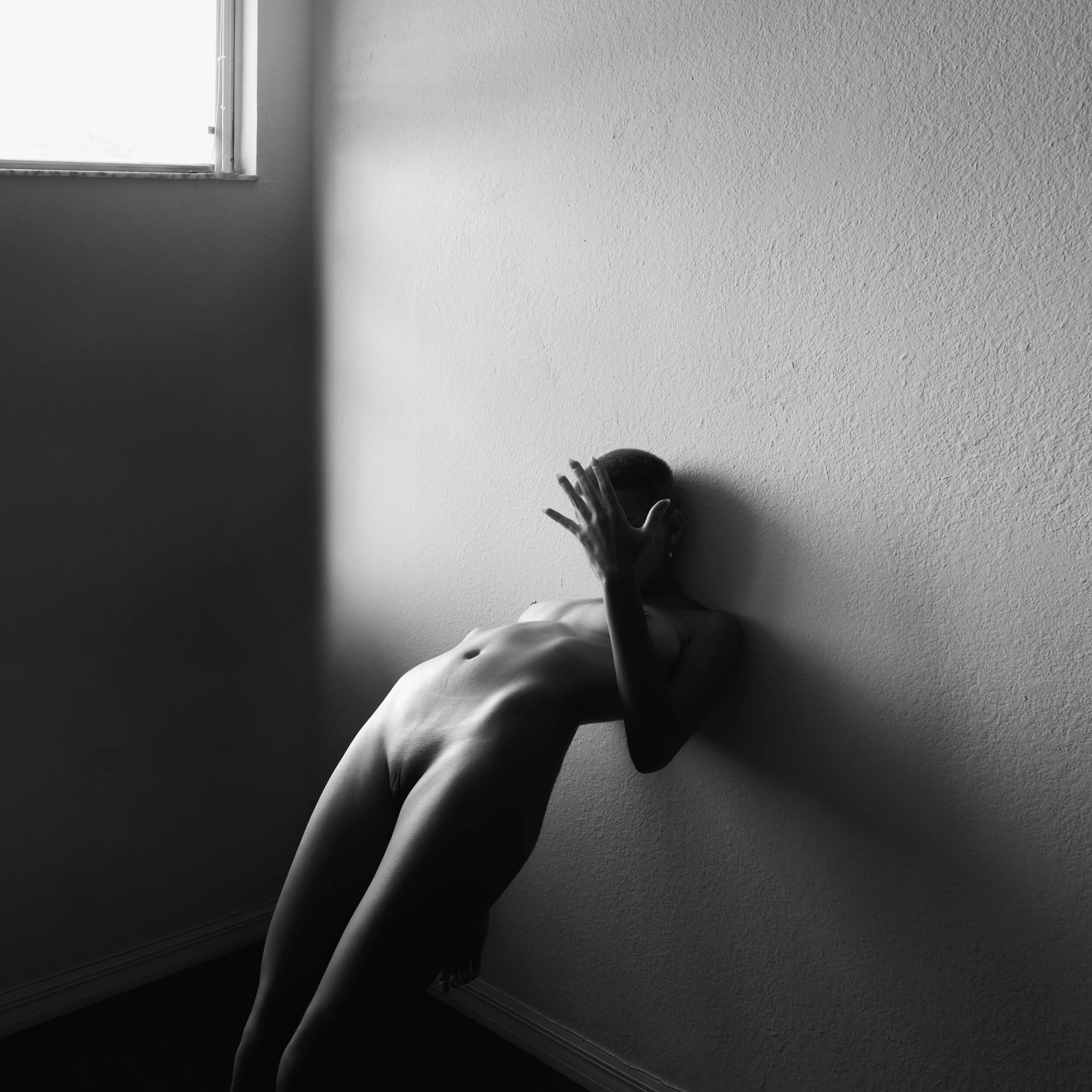
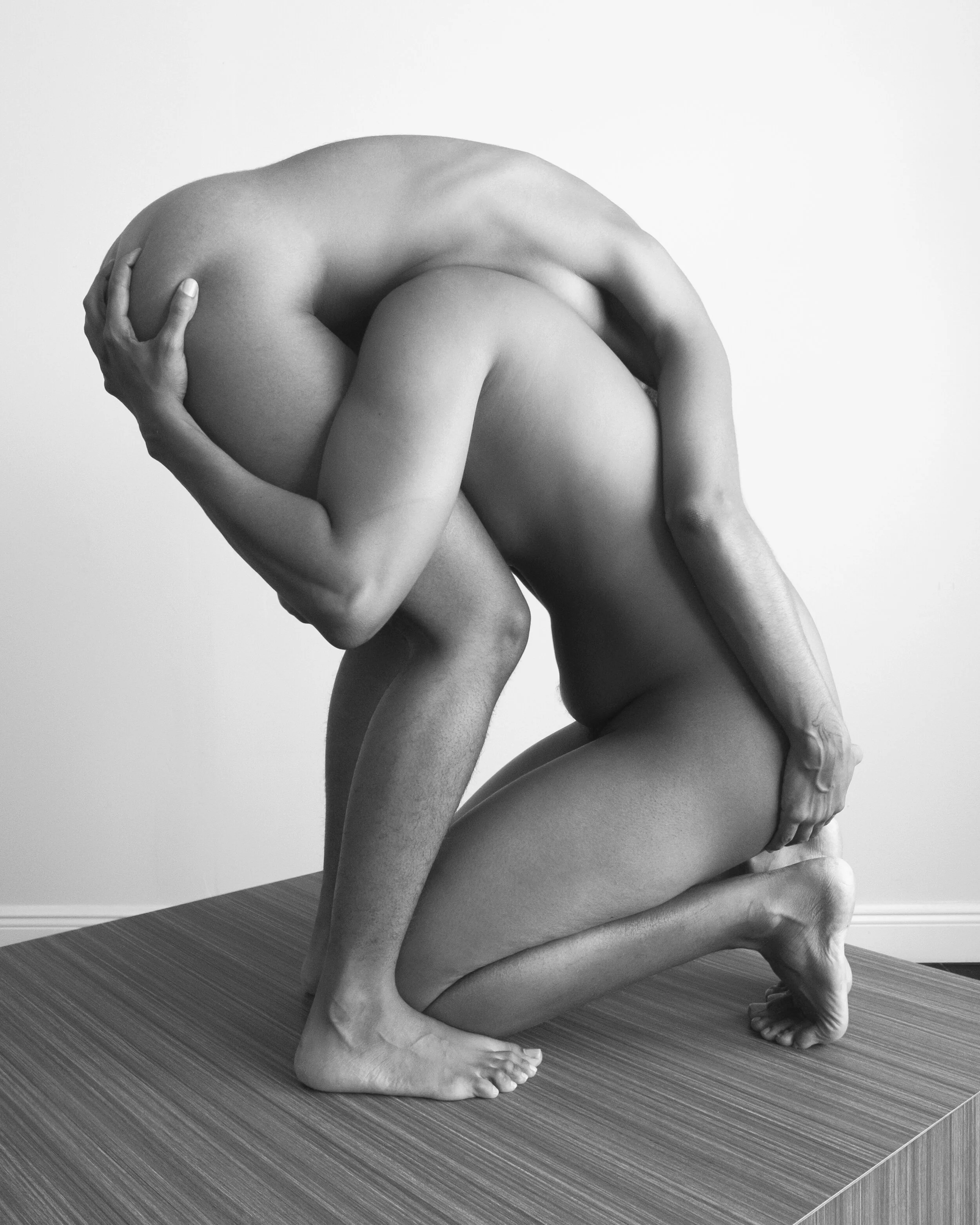
The project centers on the nude human form, but not in a traditional or expressive sense. Instead, Gomez deliberately removes cues that typically define identity—clothing, context, and sometimes even clear orientation—so the body becomes abstract. As he suggests, identity is shaped by “beliefs and concepts” that are constantly shifting, and the way the body is presented in space becomes a language of communication.
By stripping away those external markers, the work asks the viewer to confront the body without narrative or social coding. The figure is no longer a person with a story—it becomes shape, line, texture, and presence.
Abstraction and fragmentation
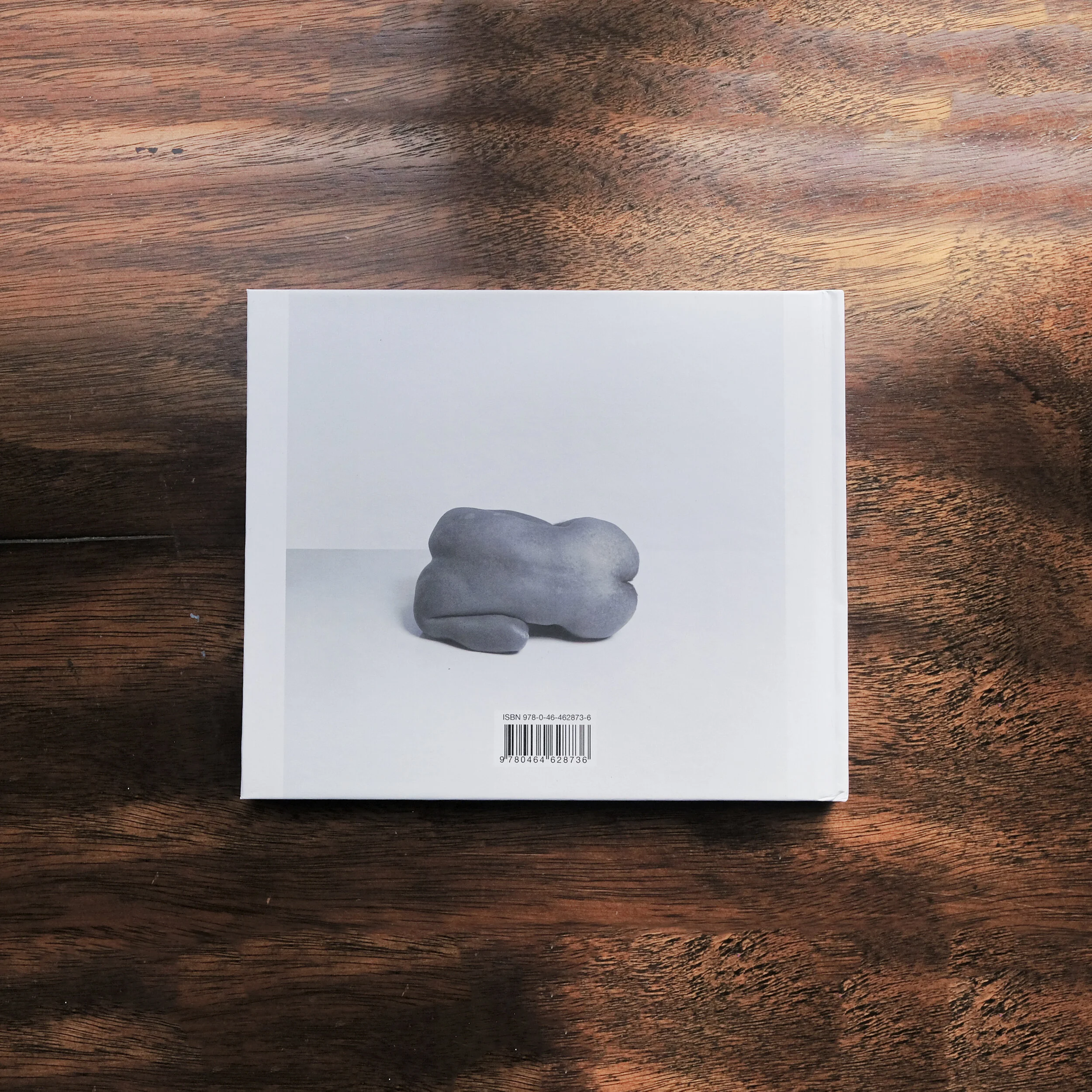
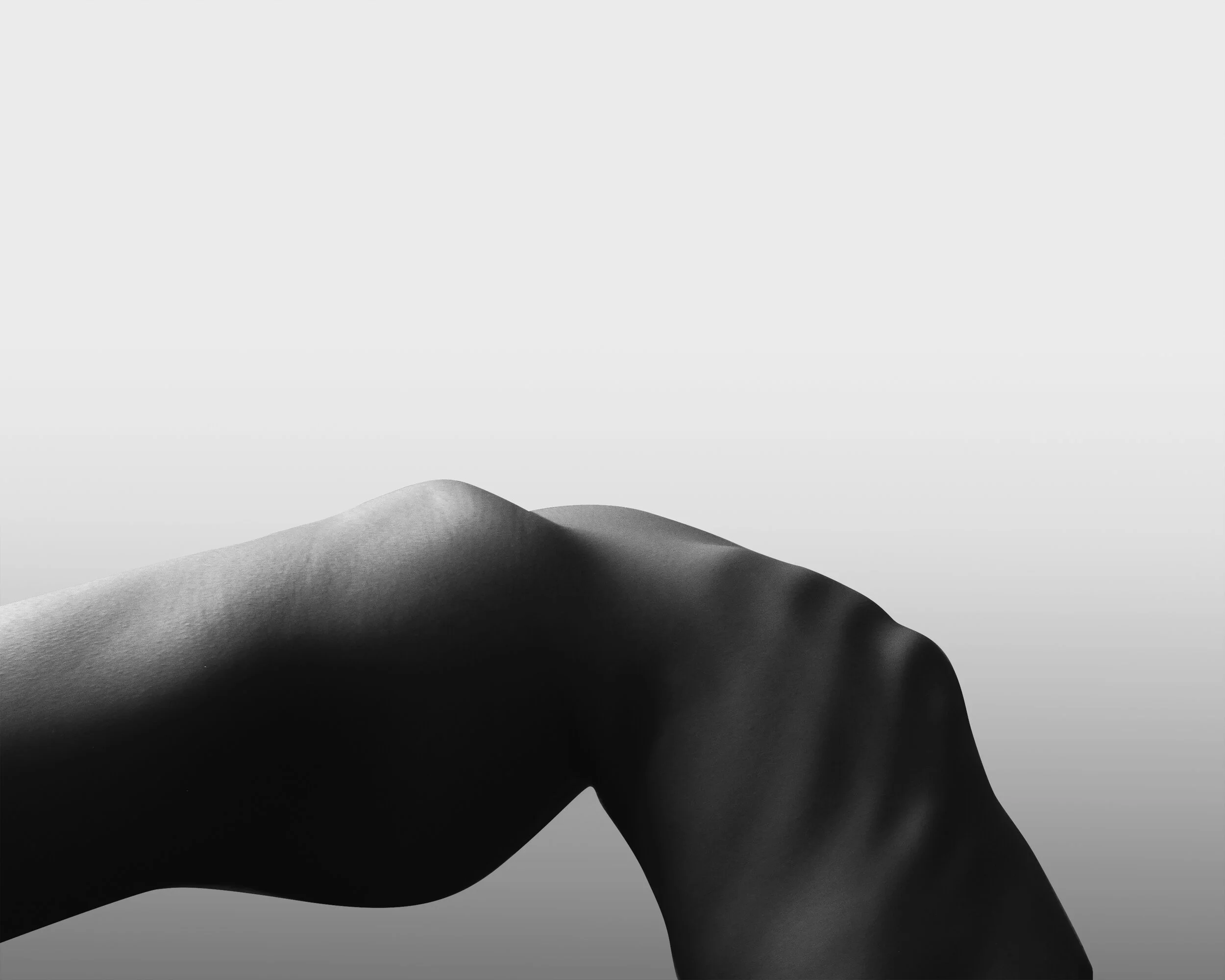
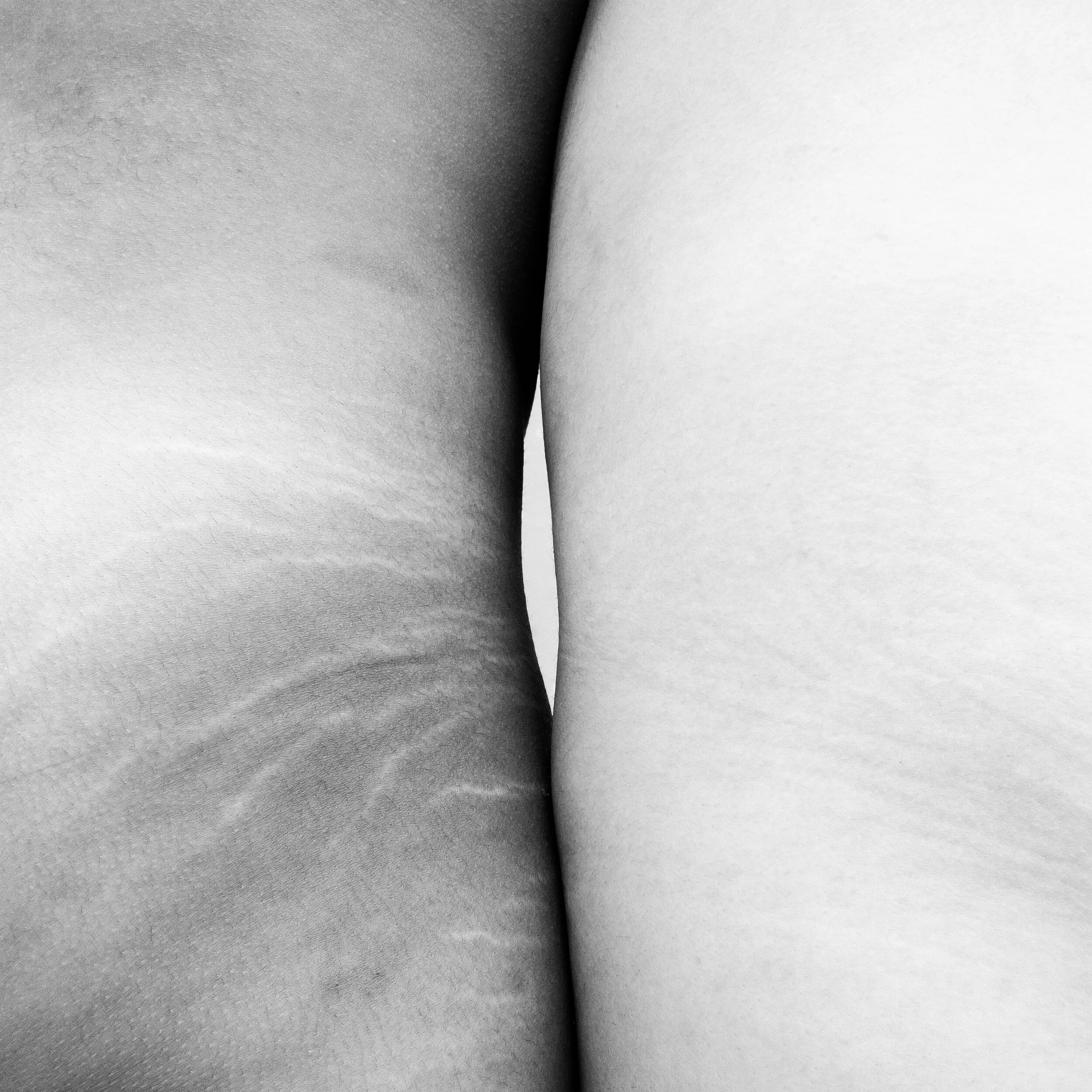
Visually, the photographs lean heavily into abstraction. Bodies are often cropped, folded, or positioned in ways that disrupt recognition. Limbs might resemble sculptural forms; torsos become landscapes of light and shadow. This approach aligns the work more closely with modernist photographic traditions—drawing inspiration from artists like Imogen Cunningham and Edward Weston—while still maintaining Gomez’s evolving voice.
There’s a consistent effort to push the body outside of conventional representation. Rather than presenting nudity as something sensual or provocative, it becomes neutral—almost clinical at times—inviting contemplation rather than reaction.
Space, perception, and boundary
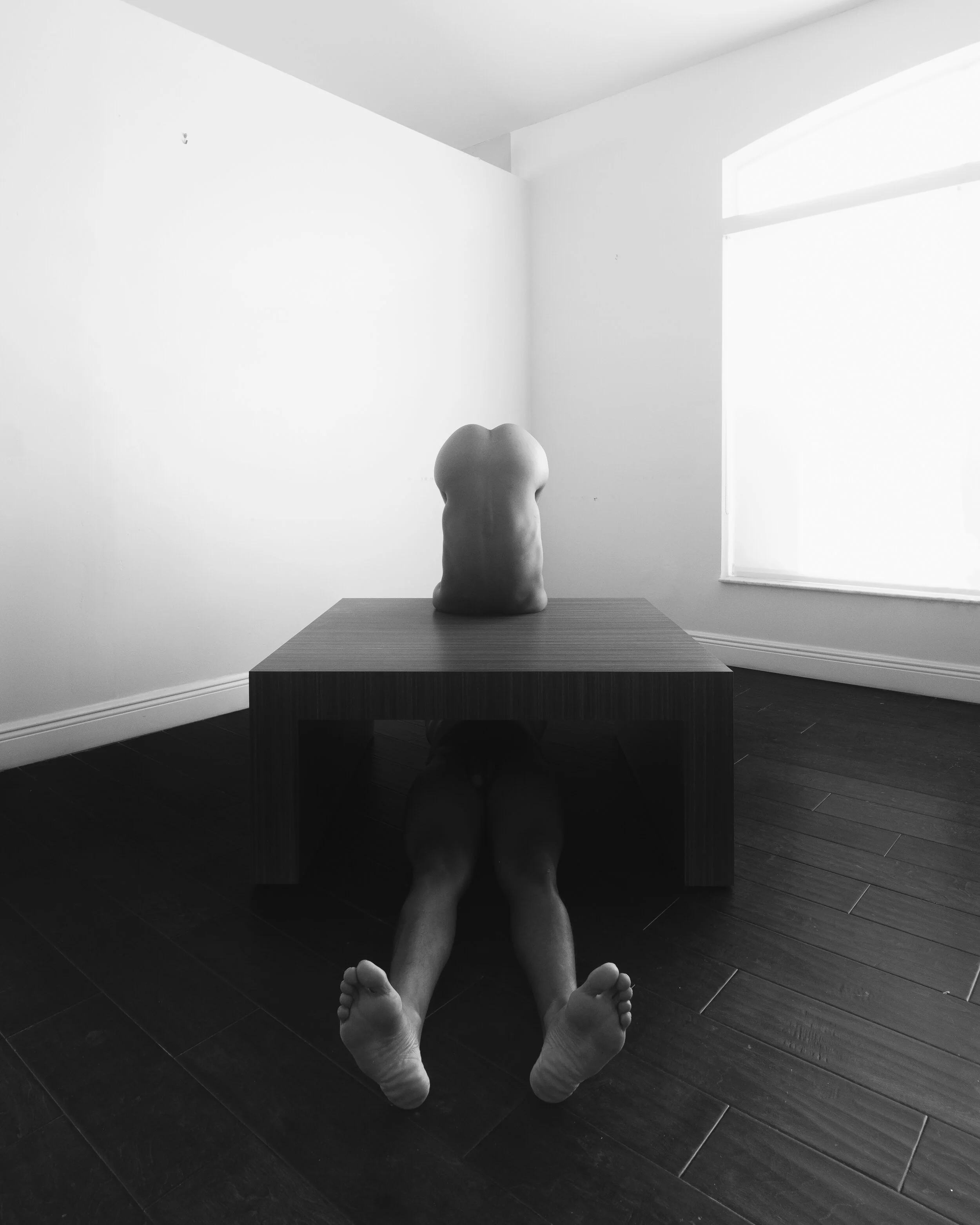
A key theme throughout the book is the relationship between the body and space. The question “where does the body begin?” also implies: where does it end? The edges are not always clear. The body merges with surfaces, disappears into shadows, or is framed in ways that confuse depth and scale.
This ambiguity forces the viewer to reconsider how perception works. What we usually understand as a “body” is revealed to be dependent on context—on how it is lit, framed, and positioned.
Emotional tone: quiet inquiry
Compared to Gomez’s later works, which incorporate surreal humor or conceptual play, this book is more restrained and introspective. The tone is calm, almost meditative. There’s no overt narrative, no irony—just a sustained focus on seeing.
It also engages with discomfort in a subtle way. The use of nudity, presented without erotic intent, challenges cultural conditioning. As the project suggests, when we feel discomfort, it becomes an opportunity to question why.
A foundational work
Within Gomez’s broader practice, Where does the body begin? feels like a pivotal study. It marks a moment where he turns inward—away from external storytelling and toward fundamental questions of perception, form, and self.
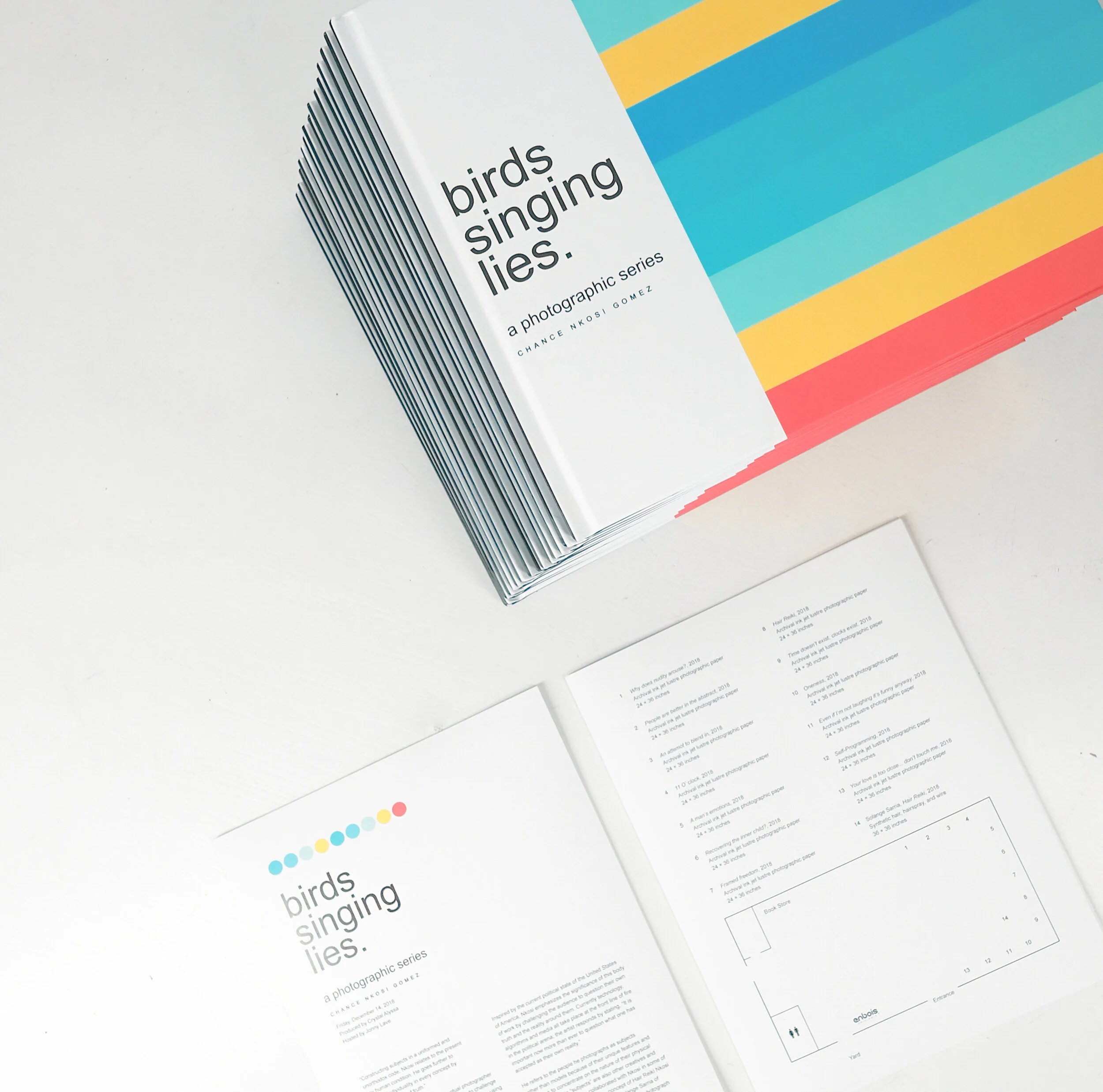
If Birds Singing Lies is about the instability of truth, this book is about the instability of the body itself—not as flesh, but as an idea. It asks the viewer to look again, more slowly, and to recognize that even something as seemingly fixed as the human body is shaped by how—and where—we choose to see it.
Inspired by:
Chloe Rosser – Form & Function
Edward Weston – Nudes
Imogen Cunningham – On the Body
You may return goods if they are received damaged, or if the incorrect item is delivered. You will be refunded the cost of goods (ex. Shipping cost) once we have received the goods. Before returning an item, you are required to email to nkosi.artiste@gmail.com to inform us that the goods are being returned, stating the concerning books and reason of return.